







Hindustan Unilever Limited, commonly known as HUL, sells products that people use almost every day. Its portfolio includes detergents, soaps, shampoos, skin-care products, toothpaste, tea, coffee, health drinks, sauces and packaged foods.
HUL does not depend on selling one expensive product occasionally. Its business is built on selling large quantities of relatively affordable products repeatedly. A household may purchase Surf Excel every month, use Dove or Lifebuoy daily and regularly replace products such as Horlicks, Bru, Vim or Clinic Plus.
The company mainly makes money by manufacturing or sourcing consumer products and selling them to distributors, retailers, supermarkets, online platforms and institutional customers at prices above its total product and operating costs.

HUL Company Quick Overview
| Particular | Details |
| Legal name | Hindustan Unilever Limited |
| Incorporated | 1933 |
| Parent group | Unilever |
| Headquarters | Mumbai, Maharashtra |
| CEO and Managing Director | Priya Nair |
| Business type | Fast-moving consumer goods company |
| Main segments | Home Care, Beauty & Wellbeing, Personal Care and Foods |
| Owned factories | 26 |
| Distribution partners | More than 3,000 distributors |
| ₹1,000 crore-plus brands | 20 |
| FY26 turnover | ₹63,763 crore |
| FY26 profit after tax | ₹10,652 crore |
HUL was incorporated in India in 1933 and is part of the global Unilever group. Priya Nair became its Chief Executive Officer and Managing Director on August 1, 2025.
During FY26, HUL reported turnover of ₹63,763 crore, EBITDA of ₹15,054 crore and profit after tax of ₹10,652 crore. The company also had 20 brands generating annual turnover of more than ₹1,000 crore each.
What Is HUL’s Business Model?
HUL follows a large-scale manufacturing, branding and distribution model. It develops products for different income groups, manufactures them through its factories and production partners, and distributes them across India.
The company earns money when the price received from distributors, retailers or other customers exceeds the cost of raw materials, manufacturing, packaging, transportation, advertising and administration.
HUL sells products across different price levels. A category may include low-priced sachets for budget-conscious consumers, regular family packs and premium products with specialised features.
This wide price range helps HUL serve rural households, middle-income families and premium urban consumers through the same category.
How Does HUL Make Money?
1. Home-Care Product Sales
Home Care is HUL’s largest business segment. It includes detergents, laundry liquids, dishwashing products, fabric conditioners and household cleaners.
Major brands include:
- Surf Excel
- Rin
- Wheel
- Vim
- Comfort
- Domex
HUL earns by selling these products through distributors and retail channels. The difference between the selling price and the cost of chemicals, packaging, production, transportation and promotion contributes to its margin.
Home Care generated ₹23,672 crore in FY26 revenue, representing approximately 37% of HUL’s business. The segment reported a margin of 19%.
Premiumisation is particularly important in this category. A customer may move from an ordinary detergent powder to a premium powder, washing-machine detergent or laundry liquid. The upgraded product generally has a higher selling price and may provide a better margin.
2. Beauty and Wellbeing Products
HUL sells shampoos, conditioners, skin-care products, cosmetics, serums and wellness products through its Beauty and Wellbeing segment.
Its portfolio includes brands such as:
- Dove
- Clinic Plus
- Sunsilk
- TRESemmé
- Lakmé
- Pond’s
- Vaseline
- Minimalist
Beauty products can provide attractive margins because customers pay for the formulation, brand, packaging and expected results rather than only the basic ingredients.
The Beauty and Wellbeing segment generated ₹14,990 crore in FY26 revenue and reported a segment margin of 28%. Minimalist had crossed an annual revenue run rate of ₹850 crore by the end of the year.
3. Personal-Care Product Sales
HUL’s Personal Care business includes bathing soaps, body washes, oral-care products and deodorants.
Important brands include Lux, Lifebuoy, Dove, Pears, Pepsodent, Closeup and Axe.
These products are used frequently and need regular replacement. Even when the profit from one soap or toothpaste pack is small, selling millions of units creates substantial revenue.
Personal Care generated ₹9,564 crore in FY26 revenue. Together with Beauty and Wellbeing, it gives HUL a strong presence across daily hygiene, grooming and personal-care categories.
4. Foods and Beverages
HUL’s Foods business sells tea, coffee, health drinks, condiments, packaged foods and products for restaurants and professional kitchens.
Major brands include:
- Brooke Bond Red Label
- Lipton
- Bru
- Horlicks
- Boost
- Kissan
- Knorr
- Hellmann’s
HUL earns through the difference between the product’s selling price and the cost of tea leaves, coffee, milk-based ingredients, sugar, grains, packaging, manufacturing and distribution.
The Foods segment generated ₹14,061 crore in FY26 revenue.
Tea, coffee and health drinks encourage repeat purchases. Products such as sauces, soups and international-cuisine items also allow HUL to participate in growing packaged-food categories.
5. General-Trade Distribution
Traditional neighbourhood stores remain an important sales channel for HUL. The company supplies products through a network of more than 3,000 distributors that serve retailers across cities, towns and rural markets.
A distributor purchases or receives HUL products under agreed commercial terms and supplies them to local stores. The retailer then sells the product to the final customer.
The full maximum retail price does not belong to HUL. Distributors and retailers retain their respective margins, while HUL records the amount earned from supplying the products.
6. Supermarkets and Modern Retail
HUL supplies products to supermarkets, hypermarkets and organised retail chains. These stores can place large orders and provide shelf space for several HUL brands.
Modern retailers may charge listing, promotion or display-related fees. They may also negotiate discounts because of their large purchasing volumes.
HUL benefits from higher order sizes, prominent displays and the opportunity to introduce premium products to urban shoppers.
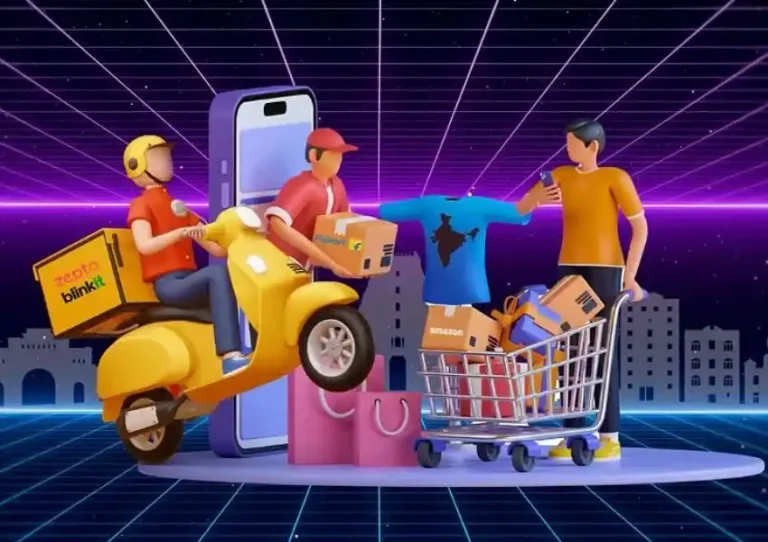
7. E-Commerce and Quick-Commerce Sales
HUL products are sold through online marketplaces, grocery apps and quick-commerce platforms.
These channels are particularly useful for:
- Large family packs
- Premium beauty products
- Product bundles
- Newly launched products
- Urgently needed household items
HUL designs products and supply arrangements specifically for digital channels. Its FY26 supply-chain strategy included a dedicated quick-commerce design, with selected products and pack formats supplied through dark-store operations.
Online channels may charge commissions, fulfilment fees and promotional costs. However, they give HUL access to valuable shopping data and customers seeking convenience.
8. Institutional and Food-Service Sales
HUL also sells products to restaurants, hotels, caterers and professional kitchens through Unilever Food Solutions.
These customers may purchase sauces, seasonings, mayonnaise and other food products in larger commercial packs.
Institutional orders can generate higher volumes than ordinary household purchases. However, prices may be lower per unit because professional buyers negotiate bulk rates.
9. Premium Products and New Brands
HUL increases revenue by encouraging customers to upgrade to higher-value products. Examples include moving from detergent bars to powders, powders to liquids, basic skin care to specialised serums or ordinary shampoos to premium hair-care ranges.
The company also expands through acquisitions and new brands. These additions allow HUL to enter faster-growing areas without building every brand from the beginning.
Premiumisation improves the average revenue earned per product, although premium brands require spending on research, packaging, advertising and customer education.
HUL’s Major Operating Costs
Raw materials are among HUL’s largest expenses. These include palm oil, crude-oil derivatives, chemicals, tea, coffee, milk ingredients, grains, fragrances and packaging materials.
Other major expenses include:
- Manufacturing and factory operations
- Product packaging
- Distributor and retailer margins
- Transportation and warehousing
- Advertising and celebrity endorsements
- Employee salaries
- Research and product development
- E-commerce and promotional charges
- Technology and administration
HUL operates 26 owned factories and manufactures more than 85 billion product units annually. Maintaining this scale requires significant investment in machinery, quality control, energy and supply-chain systems.
Why HUL’s Business Model Is Profitable
HUL sells products that customers purchase repeatedly. This creates stable demand and reduces dependence on one-time purchases.
Its large scale also provides purchasing and manufacturing advantages. Producing billions of units allows factory, technology and advertising expenses to be spread across a massive product base.
In FY26, HUL reported an EBITDA margin of 23.6% and generated ₹10,496 crore in cash from operations.
The company’s broad portfolio provides further protection. Weak demand in one category can be partly offset by stronger growth in another.
Main Challenges in HUL’s Business Model
HUL faces competition from large FMCG companies, regional brands, private labels and digital-first businesses.
Raw-material inflation can quickly reduce margins. The company must decide whether to increase prices, reduce pack sizes or absorb part of the additional cost.
Consumer preferences also change. Customers may move towards natural products, premium skin care, healthier foods or smaller specialist brands.
Another challenge is balancing affordability with profitability. HUL must offer low-priced products for mass consumers while investing in premium categories that provide stronger growth.
Conclusion
HUL makes money by manufacturing, branding and selling frequently used household and consumer products. Home Care is its largest segment, while Beauty and Wellbeing provides its highest reported segment margin.
Personal Care, Foods, traditional retail, supermarkets, online platforms and institutional sales create additional revenue. Its large distribution system allows products to reach customers across income groups and locations.
HUL’s long-term success depends on keeping products affordable, protecting margins from raw-material inflation and adapting its brands to changing consumer preferences. The company must continue increasing volumes while encouraging customers to move towards newer and higher-value products.
FAQs
Q: Is HUL the same company as Unilever?
A: No. HUL is an Indian listed company and part of the wider Unilever group. It operates mainly in India while benefiting from Unilever’s brands, research and global capabilities.
Q: Does HUL receive the complete MRP printed on a product?
A: No. Distributor margins, retailer margins, taxes, discounts and other charges are included in the final price paid by the consumer.
Q: Does HUL manufacture every product in its own factories?
A: Not necessarily. HUL operates 26 owned factories but may also work with approved third-party manufacturing and supply partners.
Q: Does HUL earn mainly from premium products?
A: No. Mass-market products still contribute substantial volumes. Premium products are important because they can increase average selling prices and margins.
Q: Why is HUL’s turnover much higher than its profit?
A: Turnover represents product sales before deducting raw materials, manufacturing, packaging, advertising, employee, distribution and tax expenses. Profit is the amount remaining after these costs.