








A company does not always sell its products directly to ordinary customers. Many businesses earn their revenue by supplying products, technology, raw materials or professional services to other companies. A software provider may sell accounting tools to retailers, a manufacturer may supply packaging materials to food brands, and a digital agency may manage advertising campaigns for corporate clients. All these businesses follow the B2B business model.
The B2B model is one of the most important parts of the global economy. It connects manufacturers, wholesalers, service providers, distributors and corporate buyers. Although B2B companies may not always be familiar to the general public, they often work behind the scenes to help other businesses operate, grow and serve their customers.
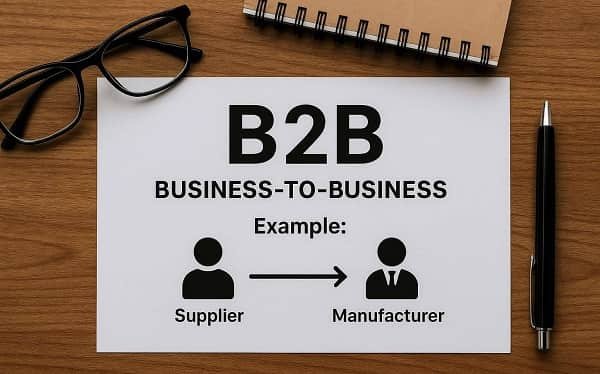
What Is a B2B Business Model?
B2B stands for “business-to-business.” A B2B business model is a system in which one company sells products or services to another company rather than directly to individual consumers.
The purchasing company may use the product in its daily operations, resell it, include it in another product or use it to improve business performance.
For example, a restaurant buying vegetables from a wholesale supplier is a B2B transaction. A company purchasing cloud storage from a technology provider is also a B2B transaction. In both cases, the buyer is an organisation rather than an individual customer.
B2B transactions usually involve larger order values, formal agreements and longer decision-making processes. Buyers may compare several suppliers, request product demonstrations, negotiate prices and obtain approval from different departments before making a purchase.
How Does the B2B Business Model Work?
A B2B company first identifies a problem faced by other businesses. It then develops a product or service that helps solve that problem.
The company promotes its offering through methods such as direct sales, email marketing, industry events, professional networking, online advertising and content marketing. Interested buyers may request a quotation, consultation, trial or demonstration.
After discussing the buyer’s needs, the supplier provides a proposal covering the price, features, delivery schedule and terms of service. Once the agreement is signed, the company supplies the product or begins providing the service.
Many B2B businesses continue working with the same clients for months or years. Their success therefore depends heavily on trust, service quality, timely delivery and strong customer relationships.
Common Types of B2B Businesses
1. Product-Based B2B Companies
These businesses manufacture or supply physical products to other companies.
Examples include manufacturers of machinery, office furniture, construction materials, medical equipment, industrial chemicals and packaging products.
A cardboard box manufacturer supplying boxes to an e-commerce company is a product-based B2B business.
2. Service-Based B2B Companies
Service-based B2B companies provide professional support to other organisations.
Examples include accounting firms, recruitment agencies, legal consultancies, security companies, logistics providers and digital marketing agencies.
A recruitment agency helping a company hire employees follows a service-based B2B model.
3. Software-Based B2B Companies
These companies provide software that helps businesses manage their operations.
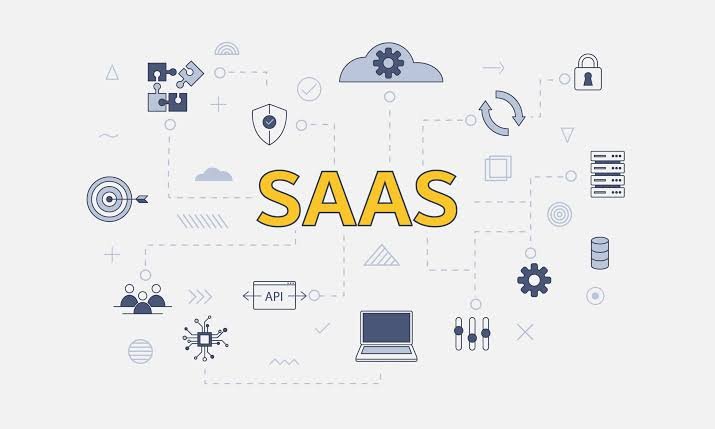
Common B2B software includes customer relationship management systems, payroll platforms, accounting programs, cybersecurity tools and project management applications.
Many software companies charge monthly or annual subscription fees, creating predictable recurring revenue.
4. Wholesale and Distribution Businesses
Wholesalers purchase products in large quantities from manufacturers and sell them to retailers, restaurants, hospitals or other businesses.
For example, a wholesale food distributor may supply rice, cooking oil and vegetables to hotels and restaurants.
5. Manufacturing and Supply Businesses
Some companies produce parts or materials that are used by other manufacturers.
An automobile company, for instance, may buy tyres, batteries, glass and electronic components from several B2B suppliers before assembling a finished vehicle.
Examples of B2B Business Models
A cloud computing provider selling data storage and server capacity to companies is a common B2B example. Businesses use these services to host websites, manage applications and store information securely.
Another example is a digital marketing agency. It may offer search engine optimisation, social media management, advertising and content creation to businesses that want to attract more customers.
A commercial cleaning company is also a B2B business. Instead of cleaning individual homes, it may provide regular services to offices, hospitals, schools, factories and shopping centres.
Other examples include:
- A textile manufacturer supplying fabric to clothing brands
- A payment processor serving online stores
- A logistics company transporting goods for manufacturers
- A cybersecurity firm protecting corporate computer systems
- A consultancy advising businesses on finance or management
- A packaging supplier producing bottles for cosmetic companies
These examples show that B2B businesses can operate in almost every industry.
Advantages of the B2B Business Model
1. Higher Order Value
B2B transactions are often larger than consumer purchases. A company may order hundreds or thousands of units at once or sign a service contract worth a substantial amount.
This allows B2B businesses to generate significant revenue from a smaller number of clients.
2. Long-Term Customer Relationships
Businesses generally prefer reliable suppliers. Once they find a company that provides consistent quality and dependable service, they may continue purchasing from it for several years.
Long-term contracts and repeat orders can create stable revenue.
3. Predictable Income
Subscription fees, maintenance contracts, supply agreements and recurring service retainers can make revenue easier to forecast.
Predictable income helps a business plan its hiring, investment and expansion more effectively.
4. Lower Number of Customers Required
A consumer business may need thousands of buyers to generate strong revenue. A B2B business may achieve similar revenue with a much smaller group of corporate clients.
This can make customer management more focused, although each client may require greater attention.
5. Opportunities for Customisation
B2B buyers often have specific requirements. A supplier can customise its products, pricing or services according to the client’s needs.
Customisation can increase the value of the offering and make it more difficult for competitors to replace the supplier.
6. Professional Buying Decisions
B2B purchasing decisions are generally based on factors such as quality, return on investment, reliability, efficiency and long-term value.
This allows companies with strong products and proven results to compete without depending only on emotional advertising.
Disadvantages of the B2B Business Model
1. Longer Sales Cycle
B2B purchases may require approval from managers, finance departments, technical teams and senior executives.
As a result, completing a sale can take weeks or even months.
2. Dependence on a Few Clients
Although having fewer clients can be an advantage, it can also create risk. Losing one major customer may have a serious effect on revenue.
B2B businesses should avoid depending too heavily on a single client.
3. Complex Decision-Making Process
Different people may influence a B2B purchase. One person may evaluate the product, another may negotiate the price, and a senior manager may provide final approval.
The seller must convince several decision-makers rather than one individual buyer.
4. High Customer Expectations
Corporate buyers expect professional communication, consistent quality, timely delivery and reliable after-sales support.
A delayed shipment or technical failure may affect the client’s own customers and operations, making service mistakes more serious.
5. Strong Price Negotiation
Business buyers often purchase in large quantities and negotiate aggressively. They may ask for discounts, extended payment terms, customised features or additional services.
These demands can reduce profit margins.
6. Delayed Payments
Some companies pay suppliers after 30, 60 or even 90 days. This can create cash flow problems, especially for smaller B2B businesses that must pay employees and suppliers before receiving payment.
B2B vs B2C Business Model
The main difference between B2B and B2C is the type of customer.
A B2B company sells to businesses, while a B2C company sells directly to individual consumers. B2B purchases are usually larger, more technical and based on business value. B2C purchases are often faster and may be influenced by price, convenience, lifestyle or personal preference.
B2B marketing generally focuses on expertise, efficiency and return on investment. B2C marketing usually focuses more on benefits, emotions and immediate customer needs.
Is the B2B Business Model Profitable?
The B2B model can be highly profitable when a company solves an important business problem and builds strong client relationships. Higher order values, repeat purchases and long-term contracts can create steady growth.
However, profitability depends on pricing, customer retention, operating costs and cash flow management. A company must also maintain consistent quality because losing a major client can have a significant financial impact.
Conclusion
The B2B business model involves selling products or services from one business to another. It includes manufacturers, wholesalers, software providers, professional service firms and many other types of companies.
Its biggest strengths are high-value transactions, recurring revenue and long-term customer relationships. At the same time, businesses must deal with longer sales cycles, complex negotiations, delayed payments and dependence on major clients.
For entrepreneurs who understand a particular industry and can solve real business problems, the B2B model can offer stable revenue, valuable partnerships and strong long-term growth.