









Businesses and individuals once had to purchase software, install it on their computers and regularly update it manually. Today, many software products are accessed directly through the internet. Customers pay a monthly or annual fee and use the software through a website or mobile application.
A company may use online accounting software, a team may manage projects through a cloud platform, and an individual may store files using an online storage service. These businesses follow the SaaS business model.
SaaS has become an important part of the technology industry because it allows companies to provide software continuously while earning recurring revenue.
What Is a SaaS Business Model?
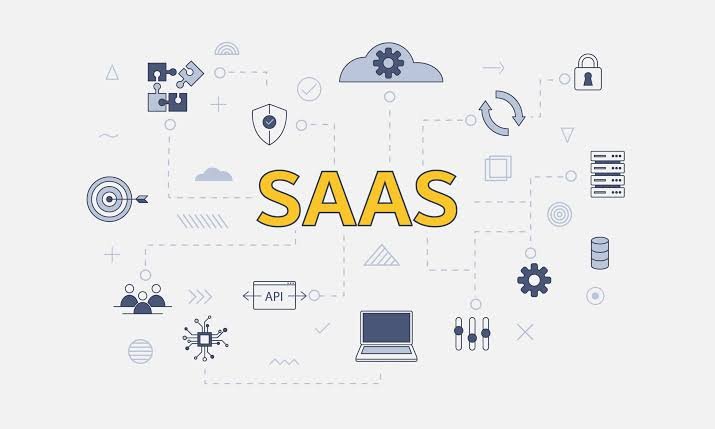
SaaS stands for “software as a service.” A SaaS business model is a system in which a company provides software through the internet and charges customers a recurring subscription fee for access.
The software is usually hosted on the provider’s own servers or cloud infrastructure. Customers do not need to purchase a physical copy or install the complete program on their devices.
For example, a business may subscribe to online payroll software and access it through a web browser. The provider manages the servers, updates, security and technical maintenance.
SaaS products may be designed for individuals, small businesses or large organisations. Common categories include accounting, communication, design, customer management, cybersecurity and project management.
How Does the SaaS Business Model Work?
A SaaS company first develops a software product that solves a particular customer problem. It then hosts the software online and offers access through one or more subscription plans.
Customers visit the company’s website, select a suitable plan and create an account. Some companies offer a free trial or a basic free version before asking customers to pay.
After subscribing, users can access the software through a browser, desktop program or mobile app. The provider stores customer data, maintains the platform and releases updates without requiring users to reinstall the software.
The company collects payments monthly, quarterly or annually. Pricing may depend on the number of users, features, storage capacity or usage level.
To retain subscribers, the provider must keep the software reliable, secure and useful. Customer support, regular improvements and new features are important parts of the model.
Common Types of SaaS Businesses
Business-to-Business SaaS
B2B SaaS companies provide software to other businesses.
Examples include customer relationship management systems, payroll platforms, inventory tools, accounting programs and workplace communication software.
Business-to-Consumer SaaS
B2C SaaS companies provide software directly to individual users.
Examples include personal cloud storage, photo-editing tools, language-learning apps and personal finance software.
Vertical SaaS
Vertical SaaS products are designed for a specific industry.
A healthcare SaaS platform may help clinics manage appointments and patient records, while a construction platform may manage projects, materials and contractors.
Horizontal SaaS
Horizontal SaaS products serve customers across many industries.
Email marketing, video conferencing, accounting and project management tools are common examples because they can be used by different types of organisations.
Freemium SaaS
Freemium SaaS companies offer a basic version of the software for free while charging for advanced features, extra storage or additional users.
The free version helps attract users, while premium plans generate revenue.
Examples of SaaS Business Models
An online accounting platform is a common SaaS example. Businesses pay a monthly fee to create invoices, record expenses, manage payroll and prepare financial reports.
A project management platform is another example. Teams use it to assign tasks, monitor deadlines, share documents and track progress.
A cloud storage provider may offer a limited amount of free space and charge customers who need additional capacity.
Other examples include:
- A video conferencing platform charging for premium meetings
- A customer management tool used by sales teams
- An email marketing platform charging according to contact numbers
- A graphic design tool offering free and paid plans
- A cybersecurity company protecting business systems
- A learning platform providing online training software
- A human resources platform managing employee records
These examples show that SaaS businesses can serve customers in finance, education, communication, marketing, design and business management.
Advantages of the SaaS Business Model
Predictable Recurring Revenue
SaaS companies receive regular subscription payments from customers. This makes monthly and annual revenue easier to estimate.
Predictable income helps businesses plan hiring, product development and future expansion.
Lower Initial Cost for Customers
Customers do not usually need to pay a large amount to purchase a permanent software licence.
Monthly or annual plans make software more affordable, especially for small businesses and individual users.
Easy Access
Users can often access SaaS products from any device with an internet connection.
This is useful for remote workers, travelling employees and teams working from different locations.
Automatic Updates
The SaaS provider manages software updates and improvements centrally.
Customers receive new features and security updates without downloading or installing separate versions.
Scalable Services
Customers can upgrade or downgrade their plans according to their needs.
A small company may begin with a basic plan and add users, storage or features as it grows.
Lower Distribution Costs
SaaS companies do not need to produce physical software packages or distribute installation discs.
The product can be delivered digitally to customers in different countries.
Better Customer Insights
SaaS providers can study how customers use different features.
This information can help them improve the software, identify problems and develop useful updates.
Disadvantages of the SaaS Business Model
Customer Cancellations
Customers can cancel their subscriptions when they no longer find the software useful or affordable.
A high cancellation rate can reduce recurring revenue and make business growth difficult.
Need for Continuous Improvement
A SaaS product must remain reliable and competitive. Customers expect regular updates, useful features and quick technical support.
If development slows, users may move to another provider.
High Development Costs
Creating secure and reliable software can require a large investment. The business may need developers, designers, servers, security systems and customer support teams.
It may take time before subscription revenue covers these costs.
Data Security Risks
SaaS companies often store sensitive customer information. Cyberattacks, data leaks or system failures can create serious problems.
The provider must invest in encryption, backups, security testing and access controls.
Dependence on Internet Access
Most SaaS products require a stable internet connection. Customers may be unable to use the software during network problems or platform outages.
This can be especially harmful when the software supports important business operations.
Strong Competition
Many SaaS markets contain several similar products. Companies often compete on pricing, features, user experience and customer support.
This can increase marketing expenses and reduce profit margins.
Complex Customer Support
Business customers may require training, technical assistance and customised solutions.
Supporting a large number of users can become expensive and require specialised employees.
SaaS vs Traditional Software Model
The main difference between SaaS and traditional software is how the product is delivered and paid for.
Traditional software is generally purchased through a one-time licence and installed on the customer’s device or company servers. Customers may need to manage updates and maintenance themselves.
SaaS software is accessed online through a subscription. The provider manages hosting, updates, security and maintenance.
Traditional software can provide greater control over data and systems. SaaS offers easier access, lower initial costs and automatic updates.
Some software companies use both models by offering cloud subscriptions as well as locally installed versions.
Is the SaaS Business Model Profitable?
The SaaS model can be highly profitable when a company retains customers for a long period and keeps operating costs under control. Recurring payments can create stable revenue, while the same software platform can serve many users.
However, profitability depends on customer acquisition costs, subscription pricing, cancellation rates and technical expenses. A company may struggle if it spends heavily to attract users who cancel after a short time.
Successful SaaS businesses focus on solving a clear problem, providing reliable software and maintaining strong customer support. They also use customer feedback to improve the product continuously.
Conclusion
The SaaS business model provides software through the internet in exchange for recurring subscription payments. It is commonly used for accounting, communication, storage, design, cybersecurity and business management tools.
Its main advantages include predictable revenue, easy access, lower initial customer costs and automatic updates. Its disadvantages include customer cancellations, security risks, strong competition and continuous development expenses.
For companies that can create useful software, protect customer data and maintain long-term subscriptions, the SaaS model can offer strong and sustainable growth.