









Customers often interact with a business through several channels before completing a purchase. A person may discover a product on social media, compare it on the company’s website, examine it in a physical store and finally order it through a mobile app. Another customer may buy online and collect the product from a nearby outlet.
Businesses that connect these different channels follow the omnichannel business model. The purpose is to provide a consistent and convenient customer experience, regardless of where the interaction begins or ends.
What Is an Omnichannel Business Model?
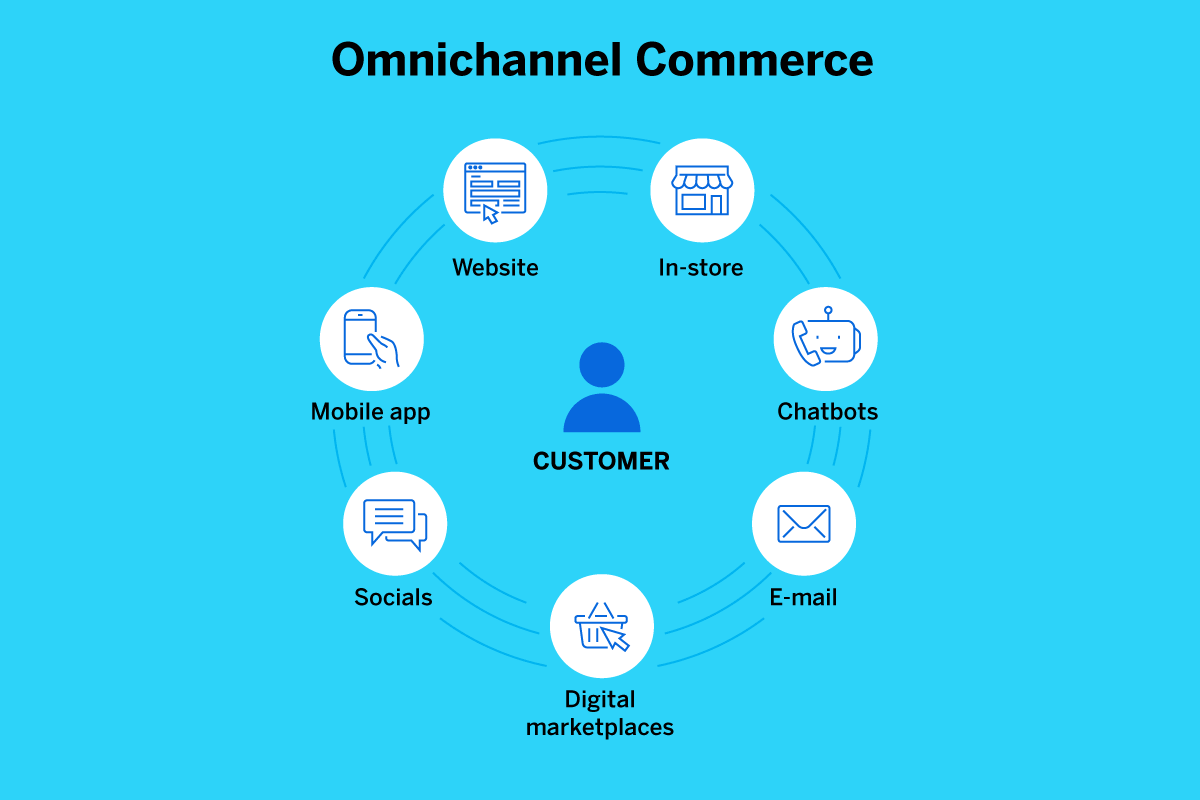
An omnichannel business model is a system in which a company integrates its physical and digital sales, marketing and customer-service channels.
These channels may include physical stores, websites, mobile apps, social media, online marketplaces, telephone support, email and messaging platforms.
The customer can move between these channels without having to restart the buying process. Product information, inventory, payment details, loyalty rewards and customer history are connected across the business.
For example, a customer may add a shirt to a shopping cart through a mobile app and later complete the purchase on the company’s website. The customer may then collect the shirt from a physical store.
The main feature of an omnichannel model is integration. The channels do not operate as separate parts of the business. They work together to create one connected customer journey.
How Does the Omnichannel Business Model Work?
An omnichannel company first identifies all the channels through which customers interact with the business. It then connects these channels using shared technology, customer data and inventory systems.
Product prices, descriptions and availability are usually kept consistent across websites, apps and stores. When an item is sold through one channel, the inventory system is updated for the others.
Customers may create an account that stores their order history, delivery addresses, payment preferences and loyalty points. This information can be accessed across different channels.
For example, a customer may purchase a product online, return it to a physical store and receive support through a mobile chat service. The company’s systems should recognise the order at every stage.
An effective omnichannel business also trains employees to use connected systems and provide consistent information to customers.
Common Types of Omnichannel Businesses
Omnichannel Retailers
Retailers combine physical stores with websites, mobile apps and online marketplaces.
Customers may shop in stores, order products online, collect purchases from a nearby outlet or return online orders at physical locations.
Omnichannel Service Providers
Banks, insurance companies, healthcare providers and travel businesses often serve customers through branches, websites, apps, telephone support and video consultations.
Customers can begin a process through one channel and continue it through another.
Omnichannel Restaurants
Restaurants may accept orders through counters, websites, mobile apps, telephone calls and food-delivery platforms.
Customers can select home delivery, table service or store collection.
Omnichannel Entertainment Businesses
Entertainment companies may provide content through television, websites, mobile apps and smart devices.
Customer accounts and subscriptions remain connected across these platforms.
Omnichannel B2B Companies
Business-to-business companies may combine online ordering portals, direct sales teams, physical showrooms and customer-support systems.
Corporate buyers can research products online and complete large purchases with assistance from a sales representative.
Examples of Omnichannel Business Models
A clothing retailer is a common omnichannel example. Customers can browse products online, check whether an item is available in a nearby store and reserve it for collection.
A bank may allow customers to open an account through its mobile app, deposit money at a branch and contact customer support through telephone or online chat.
A supermarket may accept orders through its website or app while continuing to operate physical stores. Customers can choose home delivery or collect packed groceries from a selected location.
Other examples include:
- A restaurant accepting app orders for store collection
- A furniture company offering online shopping and physical showrooms
- A pharmacy allowing digital orders and in-store collection
- A hotel company managing bookings through apps, websites and travel agents
- A beauty brand providing consultations online and in stores
- An electronics retailer allowing online returns at physical outlets
- A telecom company offering support through stores, apps and telephone lines
These examples show that the omnichannel model can be used in retail, banking, travel, healthcare, food and professional services.
Advantages of the Omnichannel Business Model
Better Customer Convenience
Customers can choose how, when and where they interact with a business.
They may shop online, visit a store, request delivery or collect an order according to their needs.
Consistent Customer Experience
Connected channels provide customers with similar prices, product details and service standards.
This reduces confusion and helps build trust in the brand.
Increased Sales Opportunities
Customers may begin shopping through one channel and complete the purchase through another.
Providing several connected options can reduce abandoned purchases and improve conversion rates.
Improved Customer Information
An omnichannel system combines information from websites, apps, stores and customer-service interactions.
The company can use this data to understand preferences, recommend products and improve marketing.
Better Inventory Management
Connected inventory systems show product availability across warehouses and stores.
Businesses can use stock from different locations to fulfil orders and reduce the risk of unsold inventory.
Stronger Customer Loyalty
A smooth experience can encourage customers to return. Loyalty points, offers and account details can remain available across every channel.
Customers are more likely to stay with a company that makes purchasing and support convenient.
Greater Business Flexibility
An omnichannel company is not completely dependent on one sales method.
If store visits decline, customers may continue purchasing through websites, apps or delivery services.
Disadvantages of the Omnichannel Business Model
High Technology Costs
Connecting websites, apps, stores, payments and inventory systems requires significant investment.
Businesses may need specialised software, technical staff and regular system maintenance.
Complex Operations
Orders can move between several channels and locations. The company must coordinate warehouses, stores, delivery partners and customer-service teams.
Poor coordination may cause delays or incorrect information.
Data Security Risks
Omnichannel businesses collect customer and payment information through several systems.
More connected channels can create additional cybersecurity and privacy risks.
Difficult Inventory Synchronisation
Inventory information must be updated quickly across every channel.
If systems are not accurate, customers may order products that are no longer available.
Need for Employee Training
Store employees and customer-service teams must understand the company’s digital systems and policies.
Inadequate training can create an inconsistent customer experience.
Channel Conflicts
Different sales channels may compete for the same customer. Physical stores may feel disadvantaged when online channels offer lower prices or receive credit for sales.
The company needs clear pricing and performance policies.
High Customer Expectations
Once customers experience connected services, they expect accurate inventory, fast delivery and easy returns.
A failure in one channel can damage their opinion of the entire business.
Omnichannel vs Multichannel Business Model
The main difference between omnichannel and multichannel business models is the level of integration.
A multichannel business uses several channels, but they may operate independently. The website, physical stores and mobile app may have separate inventory, prices or customer records.
In an omnichannel model, these channels are connected. Customers can move between them while continuing the same shopping or service journey.
Multichannel selling gives customers more ways to reach a business. Omnichannel selling combines those methods into one unified experience.
Is the Omnichannel Business Model Profitable?
The omnichannel model can be profitable when connected channels increase customer convenience, repeat purchases and order value.
It may also help businesses use inventory more efficiently and retain customers for longer periods.
However, profitability depends on technology costs, delivery expenses, system accuracy and operational management. A complicated system that provides poor service may increase expenses without improving sales.
Successful omnichannel companies focus on reliable technology, consistent information and a simple customer journey.
Conclusion
The omnichannel business model connects physical and digital channels to provide one consistent customer experience. It is commonly used by retailers, banks, restaurants, healthcare providers and travel companies.
Its main advantages include greater convenience, improved customer information, stronger loyalty and better inventory use. Its disadvantages include high technology costs, complex operations, data-security risks and increased customer expectations.
For businesses that can integrate their systems and maintain consistent service, the omnichannel model can support customer satisfaction and long-term growth.