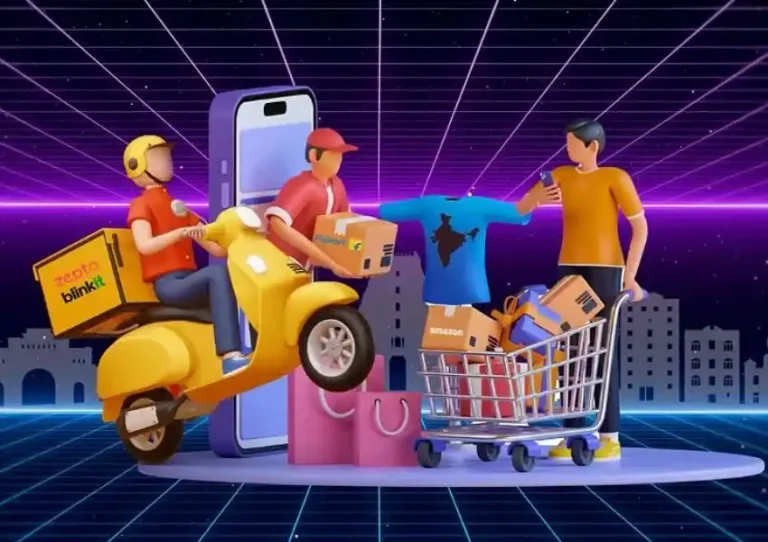









People now buy almost everything online, including clothing, electronics, groceries, medicines, books and household products. A customer can visit a website, compare several options, make a payment and receive the product without visiting a physical store. Businesses that sell through digital channels follow the e-commerce business model.
E-commerce has changed the way companies reach customers. It allows small sellers, established retailers, manufacturers and service providers to operate beyond their local markets. A business may sell through its own website, a mobile app, an online marketplace or a combination of online and offline channels.
What Is an E-Commerce Business Model?
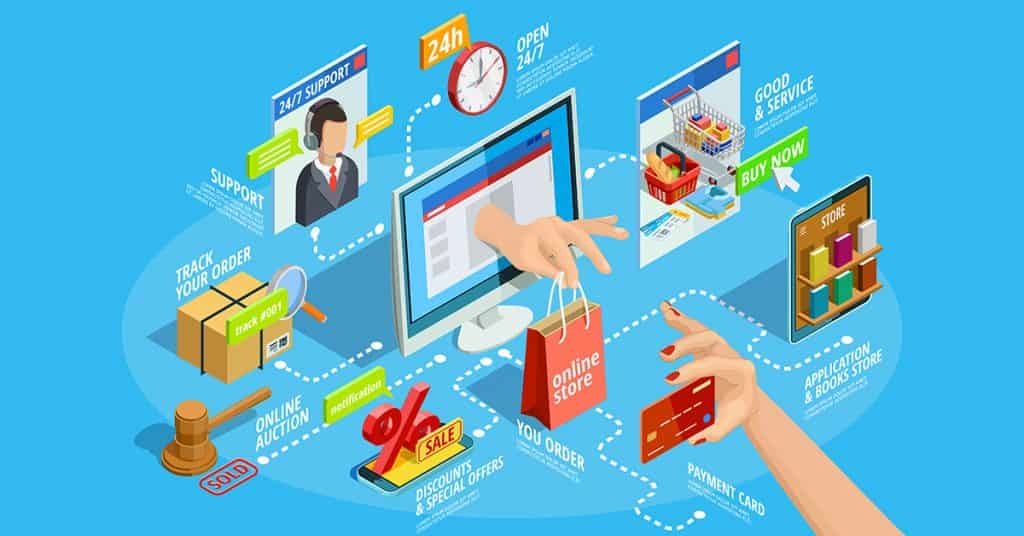
An e-commerce business model is a system in which a company or individual buys or sells products and services through the internet.
The complete transaction, or a major part of it, takes place digitally. Customers may search for products, compare prices, place orders, make payments and request support through a website or mobile application.
For example, when a person orders a laptop from an online store, it is an e-commerce transaction. A company purchasing office equipment from an online supplier is also using e-commerce.
E-commerce is not limited to physical products. It also includes digital goods, subscriptions, online courses, software, travel bookings and professional services.
How Does the E-Commerce Business Model Work?
An e-commerce business first selects the products or services it wants to sell. It then creates an online store or lists its offerings on an established marketplace.
The business uploads product descriptions, prices, images, availability details and delivery information. Customers visit the platform, browse the available options and add suitable products to their shopping carts.
After confirming the order, customers make payments through cards, bank transfers, digital wallets, cash on delivery or other supported methods.
The seller processes the order, packs the product and arranges shipment. A logistics company may collect the package and deliver it to the customer.
For digital products or services, the customer may receive immediate access after payment. The business also manages customer questions, returns, refunds, replacements and after-sales support.
Common Types of E-Commerce Businesses
1. Business-to-Consumer E-Commerce
In B2C e-commerce, a company sells products or services directly to individual customers.
Online clothing stores, grocery delivery platforms and electronics websites are common examples.
2. Business-to-Business E-Commerce
B2B e-commerce involves online transactions between two businesses.
A manufacturer may purchase raw materials through a supplier’s website, or a retailer may order products from an online wholesaler.
3. Consumer-to-Consumer E-Commerce
C2C e-commerce allows individuals to sell products or services to other individuals through an online platform.
Used-product marketplaces and online auction websites commonly follow this model.
4. Consumer-to-Business E-Commerce
In C2B e-commerce, individuals provide products or services to companies.
For example, a freelance designer may sell creative services to a business through an online platform.
5. Direct-to-Consumer E-Commerce
D2C e-commerce allows manufacturers and brands to sell directly to customers through their own digital channels.
The brand avoids traditional wholesalers and retailers while controlling its pricing, marketing and customer experience.
Examples of E-Commerce Business Models
An online marketplace is one of the most common e-commerce examples. It allows several sellers to list products while customers compare prices and make purchases through one platform.
A clothing brand operating its own website is another example. It manages its product listings, payments, orders and customer support directly.
A subscription-based streaming platform also follows an e-commerce model. Customers pay online for continued access to movies, music or other digital content.
Other examples include:
- An online supermarket delivering groceries
- A travel website selling flight and hotel bookings
- A software company offering monthly subscriptions
- A seller offering handmade products through a marketplace
- An online learning platform selling courses
- A restaurant accepting orders through its website
- A pharmacy delivering medicines after online orders
These examples show that e-commerce can support physical products, digital content and services.
Advantages of the E-Commerce Business Model
1. Wider Customer Reach
An online business can sell to customers outside its immediate location. Depending on its delivery capacity, it may serve buyers across different cities, states or countries.
This gives businesses access to a much larger market than a single physical store.
2. Lower Operating Costs
An e-commerce company may not require an expensive retail location. Some businesses operate from warehouses, small offices or even homes.
This can reduce rent, store maintenance and other physical operating expenses.
3. Convenient Shopping Experience
Customers can shop at any time without travelling to a store. They can compare products, read reviews and complete payments from their homes.
This convenience can increase customer satisfaction and sales.
4. Availability Throughout the Day
An e-commerce website can accept orders 24 hours a day. Customers are not limited by normal store opening hours.
Automated payment and order systems allow the business to receive sales even when employees are not actively working.
5. Easy Product Comparison
Customers can compare prices, features, ratings and reviews before buying. This transparency helps them make more informed decisions.
Businesses with competitive pricing and strong customer reviews may benefit from this comparison process.
6. Access to Customer Information
Online businesses can study customer searches, purchase history and product preferences.
This information can help them improve marketing, recommend relevant products and manage inventory more effectively.
7. Easier Business Expansion
An e-commerce business can add new product categories without opening another physical store. It may also enter new markets by working with additional delivery partners.
Digital platforms make expansion faster and more flexible.
Disadvantages of the E-Commerce Business Model
1. Strong Competition
Customers can easily find similar products from several online sellers. Businesses must compete on price, quality, delivery speed and customer service.
This competition can reduce profit margins.
2. Lack of Physical Product Experience
Customers cannot always touch, try or examine products before buying. This may create hesitation, particularly when purchasing clothing, furniture, cosmetics or expensive items.
Detailed descriptions, photographs and return policies can reduce this problem.
3. Delivery and Logistics Problems
Late deliveries, damaged packages and incorrect orders can affect customer satisfaction.
E-commerce businesses must depend on efficient warehouses, reliable couriers and accurate inventory systems.
4. Returns and Refunds
Online customers may return products because of size issues, damage, quality concerns or differences between the product and its description.
Frequent returns increase packaging, shipping and processing costs.
5. Cybersecurity Risks
E-commerce platforms collect personal and payment information. They may face risks such as data theft, payment fraud, fake orders and cyberattacks.
Businesses must invest in secure payment systems and data protection.
6. Dependence on Technology
Website failures, payment errors or technical problems can prevent customers from completing purchases.
Regular maintenance and technical support are necessary to keep the platform functioning properly.
7. High Digital Marketing Costs
An online store may remain unnoticed without advertising. Businesses often spend money on search engines, social media, influencers and promotional campaigns.
Customer acquisition costs can become high in competitive industries.
E-Commerce vs Traditional Commerce
The main difference between e-commerce and traditional commerce is the method of buying and selling.
In traditional commerce, customers usually visit a physical store, inspect products and make payments in person. In e-commerce, customers complete most activities through websites or mobile apps.
Traditional stores provide immediate product inspection and personal interaction. E-commerce offers greater convenience, wider reach and round-the-clock availability.
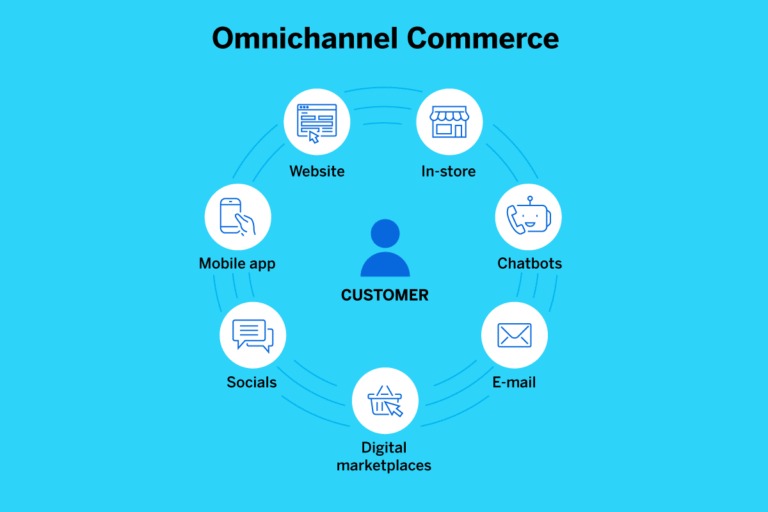
Many businesses now combine both systems. Customers may examine a product in a store and purchase it online, or order online and collect it from a physical location.
Is the E-Commerce Business Model Profitable?
The e-commerce model can be profitable when a business offers suitable products, competitive prices and a smooth buying experience. Wider market reach and lower physical store expenses can support growth.
However, profitability depends on advertising expenses, shipping charges, return rates, product margins and customer retention. A company may generate high sales but still struggle if its delivery and marketing costs are too high.
Successful e-commerce businesses generally focus on product quality, secure payments, reliable delivery and responsive customer service.
Conclusion
The e-commerce business model involves buying and selling products or services through digital platforms. It can be used by retailers, manufacturers, service providers, marketplaces and individual sellers.
Its major advantages include wider customer reach, convenient shopping, round-the-clock availability and lower physical operating costs. Its disadvantages include strong competition, cybersecurity risks, delivery problems and high marketing expenses.
For businesses that can manage technology, logistics and customer service effectively, e-commerce can provide valuable opportunities for long-term growth.