










Yes, a subscription business is legal in India. Businesses can legally charge customers on a recurring basis for products or services such as streaming platforms, software, memberships, subscription boxes, educational services, fitness programmes, magazines and professional services.
However, subscription businesses must comply with the laws applicable to their particular products and payment model. Important areas include consumer protection, GST, recurring-payment rules, data protection, advertising and contract terms.
The legality of a subscription business therefore depends not on the subscription model itself, but on whether the business operates transparently and follows the applicable regulatory requirements.
What Is a Subscription Business?
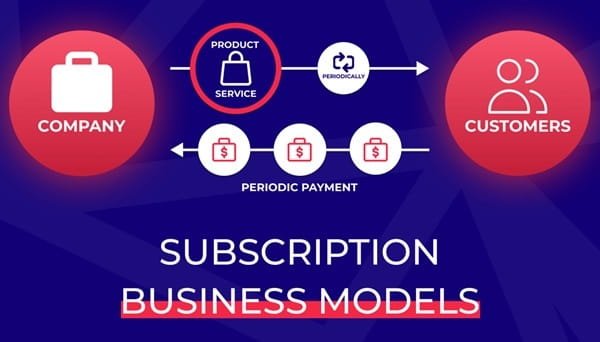
A subscription business generally charges a customer repeatedly at a fixed or variable interval in exchange for continuing access to a product or service.
Common examples include:
- OTT and streaming subscriptions
- Software-as-a-Service (SaaS)
- Online learning memberships
- Gym and fitness memberships
- Magazine subscriptions
- Meal or grocery subscription boxes
- Beauty and personal-care subscriptions
- Professional service memberships
The subscription agreement should clearly explain the price, billing frequency, renewal terms, cancellation process, refund policy and services included.
Is Special Registration Required for a Subscription Business?
There is generally no single nationwide “subscription business licence” required merely because a business uses a subscription model.
However, the underlying business may require registrations or licences depending on its activities.
For example, a subscription-based food business may need to comply with food-safety regulations, while a healthcare-related subscription service may face sector-specific requirements. A software subscription may have a substantially different regulatory profile.
The business structure itself may also require appropriate registrations, such as GST registration when applicable, and other local or tax registrations depending on the circumstances.
What About GST?
GST can apply to subscription businesses because many subscriptions involve taxable supplies of goods or services.
A business that becomes liable for GST registration must obtain registration and comply with invoicing, tax collection, return filing and record-keeping requirements. CBIC’s GST registration framework sets out the process for persons who are liable to register.
The applicable GST treatment depends on what the customer is actually receiving.
For example, a subscription for software access, online content, physical products or professional services may have different tax considerations. Businesses offering digital services to customers outside India may also need to examine the rules concerning place of supply and exports.
Therefore, subscription businesses should determine their GST position based on the actual service or product rather than assuming that all subscriptions receive the same tax treatment.
Are Automatic Renewals Legal?
Automatic renewal is not inherently prohibited, but businesses need to follow applicable rules concerning recurring payments and consumer consent.
The Reserve Bank of India’s framework for recurring transactions through payment instruments requires prescribed authentication and pre-debit notification mechanisms for covered recurring transactions. Businesses using cards or other payment methods for automatic billing should therefore ensure that their payment setup complies with the applicable RBI requirements.
A customer should also be able to understand that a subscription will renew and what amount will be charged.
Businesses should avoid taking payment details through misleading interfaces or hiding the fact that a free trial will automatically become a paid subscription.
What About Consumer Protection?
Consumer-protection law is particularly important for subscription businesses because customers may be charged repeatedly over an extended period.
The Consumer Protection Act, 2019 provides a framework for protecting consumers against unfair trade practices and misleading conduct. The Department of Consumer Affairs also administers rules dealing with e-commerce and online consumer transactions.
Where a subscription is sold through an e-commerce platform, the Consumer Protection (E-Commerce) Rules, 2020, as amended, can also become relevant. The rules require explicit and affirmative consumer consent for purchases and prohibit automatically recording consent through mechanisms such as pre-ticked checkboxes.
This is particularly relevant when businesses use free trials, promotional subscriptions or recurring billing.
Can a Business Make Cancellation Difficult?
A subscription business should provide a reasonably clear cancellation mechanism and should not use deceptive design to prevent customers from cancelling.
India’s regulatory framework on dark patterns identifies practices such as “subscription traps,” which include making cancellation impossible or unnecessarily complicated, hiding the cancellation option or making cancellation instructions confusing.
The Department of Consumer Affairs has also identified “SaaS billing” as a dark-pattern concern, including situations where a customer is not adequately informed that a free trial will convert into a paid subscription or where recurring charges are imposed without adequate transparency.
Businesses should therefore make the subscription price, renewal date and cancellation procedure easy to understand.
What Should Subscription Terms Include?
A well-designed subscription agreement should clearly state:
- Subscription price and applicable taxes
- Billing frequency
- Renewal conditions
- Free-trial period, if any
- Cancellation procedure
- Refund policy
- Conditions for price changes
- Services or products included
- Customer-support details
- Terms governing suspension or termination
Clear terms can reduce disputes and help customers understand exactly what they are purchasing.
What About Subscription-Based Physical Products?
Businesses can also legally sell physical products through recurring subscriptions.
For example, a company may deliver coffee, pet supplies, beauty products, groceries or other goods every month.
However, additional rules can apply to the products themselves. Food businesses may require FSSAI compliance, while packaged products may have labelling and Legal Metrology requirements. Products such as medicines, cosmetics and certain electronic goods can also have sector-specific regulations.
The subscription model does not remove the seller’s responsibility to comply with the laws governing the underlying product.
What Happens If a Subscription Business Violates the Rules?
A business that engages in misleading advertising, unfair billing practices, unlawful recurring charges or other prohibited conduct can face consumer complaints and regulatory action.
The Consumer Protection Act provides consumer commissions at the District, State and National levels and establishes the Central Consumer Protection Authority for consumer-protection enforcement.
The consequences depend on the nature of the violation and the law involved.
Final Takeaway
A subscription business is legal in India, and businesses can generally use recurring payments to provide continuing products or services.
However, the subscription model must be operated transparently. Businesses should pay particular attention to GST, consumer-protection requirements, recurring-payment rules, cancellation procedures, privacy, advertising and product-specific regulations.
A company offering subscriptions online should clearly disclose the price and renewal terms, obtain appropriate customer consent and provide a straightforward way to cancel. Businesses should also avoid dark patterns that make customers unknowingly continue or renew subscriptions.
In short, there is nothing inherently illegal about running a subscription business in India. The important issue is compliance with the laws governing the particular product or service, payment mechanism and customer relationship.