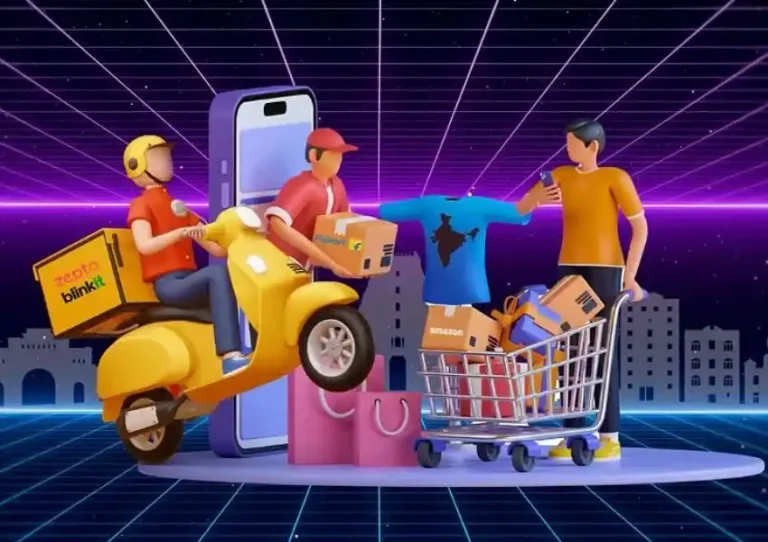








A marketplace allows different buyers and sellers to meet on one platform. The company operating the marketplace usually does not manufacture every product or provide every service itself. Instead, it creates a system where independent sellers can list their offerings and customers can search, compare and make purchases.
Online shopping platforms, food delivery apps, property booking websites and freelance portals commonly use the marketplace business model. The platform earns revenue by supporting transactions between the two sides.
What Is a Marketplace Business Model?
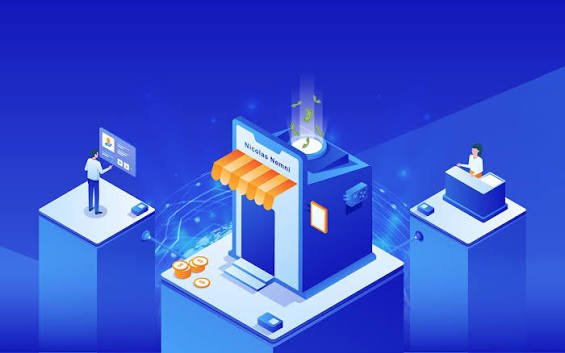
A marketplace business model is a system in which a company creates a platform that connects buyers with multiple independent sellers or service providers.
The marketplace acts as an intermediary. It helps sellers reach customers and gives buyers access to a wide range of products or services in one place.
For example, an online shopping marketplace may allow thousands of retailers to list clothing, electronics, books and household products. Customers can compare different sellers, place orders and make payments through the same platform.
The marketplace may manage product listings, search tools, payment processing, reviews, customer support and dispute resolution. However, the actual products or services are usually supplied by third-party sellers.
How Does the Marketplace Business Model Work?
A marketplace company first creates a website, app or physical platform where buyers and sellers can register.
Sellers create profiles and list their products or services. They may provide descriptions, prices, photographs, availability and delivery information.
Customers visit the marketplace, search for suitable options, compare prices and read ratings or reviews. After selecting an offer, they place an order or make a booking through the platform.
The marketplace may collect the payment from the customer and transfer it to the seller after deducting its commission or service fee. Some platforms hold the payment until the product is delivered or the service is completed.
The platform may also manage customer complaints, refunds, cancellations and disputes. Its success depends on attracting enough buyers and sellers while maintaining trust, convenience and service quality.
Common Types of Marketplace Businesses
1. Product Marketplaces
Product marketplaces connect retailers or individual sellers with customers who want to purchase physical goods.
Common categories include clothing, electronics, furniture, books, beauty products and household items.
2. Service Marketplaces
Service marketplaces connect customers with professionals or businesses offering particular services.
Examples include home cleaning, repairs, tutoring, graphic design, legal advice and beauty services.
3. Rental Marketplaces
Rental marketplaces allow individuals or businesses to rent assets to other users.
These assets may include homes, rooms, cars, tools, cameras, equipment and office spaces.
4. On-Demand Marketplaces
On-demand marketplaces provide quick access to services when customers need them.
Food delivery, transportation, grocery delivery and home maintenance platforms commonly use this model.
5. Business-to-Business Marketplaces
B2B marketplaces connect companies with manufacturers, wholesalers, suppliers and service providers.
Businesses may use these platforms to purchase raw materials, machinery, office equipment or professional services.
Examples of Marketplace Business Models
An online retail marketplace is one of the most common examples. Independent sellers list their products, while customers browse different categories and place orders through the platform.
A food delivery app is another example. Restaurants list their menus, customers order meals and delivery partners transport the food. The platform earns money through commissions, delivery charges and advertising.
A freelance marketplace connects professionals with clients who need services such as writing, programming, design or marketing.
Other examples include:
- A travel website connecting hotels with travellers
- A property platform connecting homeowners with renters
- A used-product marketplace connecting individual buyers and sellers
- A taxi-booking app connecting drivers with passengers
- A grocery platform connecting local stores with households
- A job marketplace connecting employers with workers
- A wholesale platform connecting manufacturers with retailers
These examples show that marketplace businesses can operate in retail, travel, transport, property, employment and professional services.
Advantages of the Marketplace Business Model
1. Lower Inventory Requirements
A marketplace usually does not need to manufacture or own all the products listed on its platform. Independent sellers manage much of the inventory.
This can reduce the company’s storage, production and purchasing costs.
2. Wide Range of Products and Services
Because several sellers can join the same platform, customers receive access to many options.
A larger selection can make the marketplace more useful and attract more buyers.
3. Multiple Revenue Sources
Marketplaces can earn money through commissions, listing fees, subscriptions, advertising, delivery charges and payment-processing fees.
Having several income sources can reduce dependence on a single revenue method.
4. Easier Business Expansion
A digital marketplace can enter new locations or categories without opening traditional stores.
The platform can expand by attracting more sellers, service providers and customers.
5. Network Effects
A marketplace can become more valuable as more people join. More sellers attract more buyers, while more buyers encourage additional sellers to participate.
This cycle can support rapid growth and make the platform difficult for new competitors to replace.
6. Customer Convenience
Customers can compare several sellers, prices and reviews without visiting different websites or stores.
The marketplace simplifies searching, purchasing, payments and customer support.
7. Opportunities for Small Sellers
Small businesses and independent professionals can reach a larger customer base without building their own expensive sales platforms.
The marketplace provides technology, payment systems and an existing audience.
Disadvantages of the Marketplace Business Model
1. Difficulty Maintaining Quality
The marketplace does not directly control every seller, product or service. Quality may vary between providers.
Poor experiences with one seller can damage the reputation of the entire platform.
2. Dependence on Buyers and Sellers
A marketplace needs both sides to remain active. Customers may leave when there are too few sellers, while sellers may leave when there are not enough buyers.
Building this balance can be difficult for a new platform.
3. Strong Competition
Marketplace businesses often compete with other platforms offering similar sellers and services.
They may need to spend heavily on discounts, advertising and seller incentives to attract users.
4. Trust and Safety Concerns
Customers may face fake listings, counterfeit products, fraud or unreliable service providers.
The marketplace must invest in seller verification, secure payments, reviews and customer protection.
5. Disputes and Refunds
Disagreements may occur over product quality, delivery, cancellations, payments or service performance.
Managing disputes can require a large customer support team and clear policies.
6. Limited Control Over Customer Experience
A seller may delay shipping, provide poor packaging or communicate badly with customers.
Although the marketplace did not directly cause the problem, customers may still hold the platform responsible.
7. Regulatory Challenges
Marketplaces may need to follow rules related to taxation, consumer protection, employment, payments, data privacy and product safety.
These requirements may vary by industry and location.
Marketplace vs Traditional Retail Business Model
The main difference between a marketplace and a traditional retailer is product ownership.
A traditional retailer usually purchases products, stores them and sells them directly to customers. It controls the inventory, pricing and delivery process.
A marketplace mainly connects customers with third-party sellers. It provides the platform and supporting services but may not own the products.
Traditional retail offers greater control over quality and customer experience. A marketplace can offer a wider selection with lower inventory requirements.
Some companies combine both models by selling their own products while also allowing independent sellers to use the platform.
Is the Marketplace Business Model Profitable?
The marketplace model can be profitable when the platform processes a large number of transactions and earns fees from each one. Network effects and multiple revenue streams can support long-term growth.
However, profitability depends on customer acquisition costs, platform maintenance, payment fees, support expenses and the level of competition. A marketplace may attract many users but still struggle if it relies too heavily on discounts.
Successful marketplaces create trust, maintain enough buyers and sellers and make transactions simple for both sides.
Conclusion
The marketplace business model connects buyers with multiple sellers or service providers through one platform. It is commonly used in online retail, food delivery, travel, transport, property rentals and freelance services.
Its main advantages include lower inventory requirements, a wide selection, multiple revenue sources and strong growth potential. Its disadvantages include quality-control problems, disputes, competition and dependence on active buyers and sellers.
For businesses that can build trust, maintain a reliable platform and balance the needs of both sides, the marketplace model can provide significant opportunities for long-term growth.