









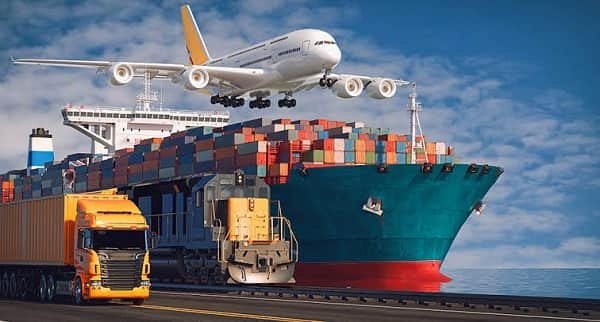
An import-export business involves the international trade of goods and products between countries. Importing refers to purchasing goods from foreign countries for sale or use in the domestic market, while exporting involves selling domestically produced goods to customers in international markets. This business plays a vital role in global commerce by connecting manufacturers, suppliers, distributors, and consumers across borders.
With the growth of globalization, digital trade platforms, and improved logistics, import-export businesses have become increasingly accessible to entrepreneurs of all sizes. Businesses can trade a wide variety of products, including agricultural commodities, textiles, handicrafts, machinery, electronics, chemicals, food products, and consumer goods. Expanding into international markets allows businesses to diversify their customer base and take advantage of global demand.
However, international trade also involves challenges such as customs regulations, currency fluctuations, shipping delays, and compliance with multiple legal requirements. Understanding both the advantages and disadvantages of an import-export business is essential before entering the global marketplace.
Advantages of an Import-Export Business
1. Access to Global Markets
Exporting enables businesses to sell products to customers in multiple countries, significantly expanding their potential customer base beyond the domestic market.
2. Increased Revenue Opportunities
Serving international markets can generate higher sales volumes and create additional sources of income, reducing dependence on a single country’s economy.
3. Product Diversification
Importing allows businesses to offer products that may not be readily available in the domestic market, helping attract more customers and strengthen competitiveness.
4. Business Growth Potential
International trade creates opportunities to expand operations, build overseas partnerships, and establish long-term relationships with foreign buyers and suppliers.
5. Economies of Scale
Higher production volumes for export markets can reduce the average cost per unit, improving operational efficiency and profitability.
6. Competitive Advantage
Businesses that source quality products globally or successfully export unique products can strengthen their market position and differentiate themselves from competitors.
7. Government Support
Many countries encourage international trade by offering export promotion schemes, trade facilitation programs, financial assistance, and market development initiatives for eligible businesses.
8. Valuable International Experience
Operating in global markets helps businesses gain knowledge of international trade practices, foreign customer preferences, logistics management, and cross-border business operations.
Disadvantages of an Import-Export Business
1. Complex Legal and Regulatory Requirements
Import-export businesses must comply with customs procedures, taxation rules, trade regulations, product standards, and documentation requirements in multiple countries.
2. Currency Exchange Risks
Fluctuations in foreign exchange rates can affect pricing, profit margins, and the overall financial performance of international transactions.
3. Shipping and Logistics Challenges
International transportation may involve delays, higher freight costs, customs inspections, and risks of product damage during transit.
4. High Initial Investment
Depending on the products being traded, businesses may require significant capital for inventory, shipping, insurance, warehousing, documentation, and international marketing.
5. Political and Economic Uncertainty
Changes in government policies, trade restrictions, tariffs, sanctions, or economic conditions can disrupt international business operations.
6. Payment Risks
Delayed payments, currency conversion issues, or buyer defaults can create financial challenges, especially when dealing with unfamiliar overseas customers.
7. Strong International Competition
Businesses compete with suppliers and manufacturers from various countries, making product quality, pricing, and customer service critical for success.
8. Documentation and Compliance Burden
International trade requires accurate preparation of invoices, shipping documents, customs declarations, certificates, and other regulatory paperwork, increasing administrative responsibilities.
Conclusion
An import-export business offers significant opportunities to expand into international markets, increase revenue, and diversify business operations. However, entrepreneurs should carefully evaluate regulatory compliance, financial risks, logistics, and market conditions before entering global trade.
Frequently Asked Questions (FAQs)
Q1. Is an import-export business suitable for small businesses?
A: Yes. Small businesses can successfully enter international trade by starting with selected products, researching target markets, and building reliable relationships with overseas suppliers or buyers.
Q2. What are the major risks in an import-export business?
A: Some of the key risks include currency fluctuations, shipping delays, customs compliance issues, payment defaults, changing trade regulations, and international market competition.
Q3. Does an import-export business require government registrations?
A: Yes. Businesses generally need to obtain the registrations, licenses, and approvals required by the applicable laws and regulations of their country before engaging in international trade.
Q4. How can an import-export business reduce international trade risks?
A: Businesses can reduce risks by conducting market research, working with reliable suppliers and buyers, using secure payment methods, obtaining appropriate insurance, complying with trade regulations, and maintaining accurate documentation.