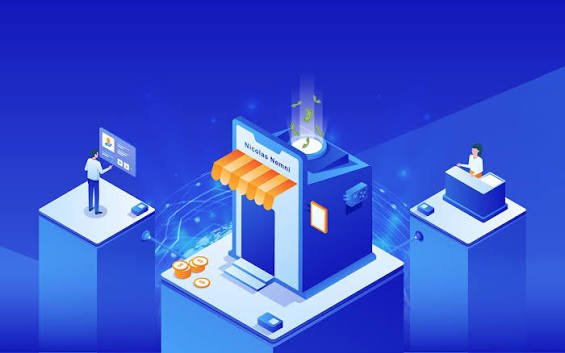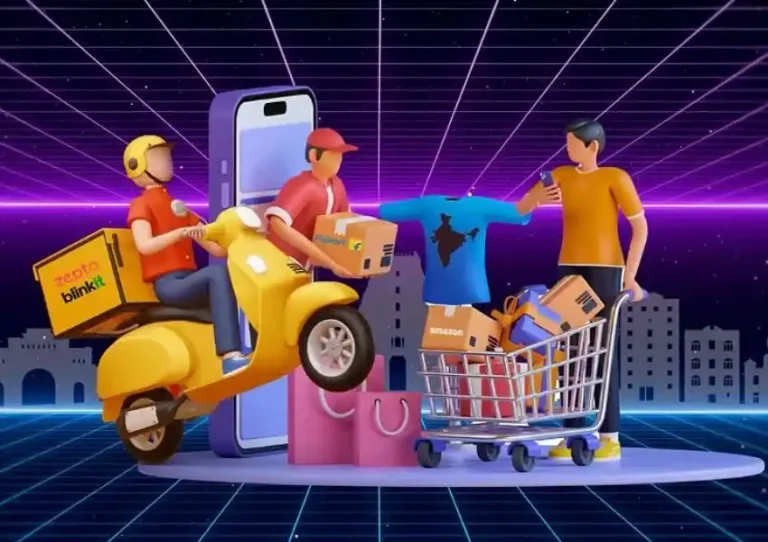








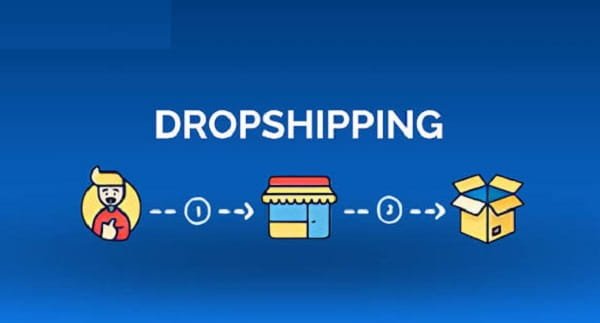
A dropshipping business is an e-commerce business model in which the seller markets and sells products without maintaining physical inventory. Instead of stocking goods, the seller forwards customer orders to a third-party supplier or manufacturer, who then packages and ships the products directly to the customer. This allows the business owner to focus on marketing, customer service, and sales while the supplier handles inventory management and order fulfillment.
Dropshipping has gained significant popularity because it enables entrepreneurs to start an online business with relatively low investment. Since there is no need to purchase inventory in advance or manage a warehouse, it is often considered an attractive option for first-time business owners and online retailers. Products can be sold through dedicated e-commerce websites, online marketplaces, or social media platforms.
However, despite its accessibility and flexibility, dropshipping also has several limitations. Business owners have limited control over product quality, shipping speed, and inventory availability, while facing intense competition and lower profit margins. Understanding both the advantages and disadvantages of dropshipping is essential before choosing this business model.
Advantages of a Dropshipping Business
1. Low Startup Investment
One of the biggest advantages of dropshipping is that it requires minimal initial investment. Since products are purchased only after customers place orders, there is no need to invest heavily in inventory.
2. No Inventory Management
The supplier stores, manages, and ships the products, eliminating the need for warehouse space, inventory tracking, and stock management.
3. Easy to Start
A dropshipping business can be launched relatively quickly with an online store, reliable suppliers, and effective marketing, making it suitable for new entrepreneurs.
4. Wide Product Selection
Business owners can offer a large variety of products without purchasing them in advance, allowing them to expand or change their product catalog easily.
5. Location Flexibility
Since business operations are managed online, entrepreneurs can operate a dropshipping business from almost anywhere with a stable internet connection.
6. Lower Business Risk
Without unsold inventory, the financial risk associated with excess stock, product obsolescence, or warehouse expenses is significantly reduced.
7. Easy Business Expansion
As order fulfillment is handled by suppliers, businesses can increase sales without making substantial investments in storage facilities or logistics.
8. Focus on Marketing and Customer Service
With inventory and shipping handled by suppliers, business owners can dedicate more time to digital marketing, customer acquisition, branding, and improving customer experience.
Disadvantages of a Dropshipping Business
1. Lower Profit Margins
Since suppliers handle inventory and fulfillment, profit margins are often lower compared to businesses that purchase products in bulk and manage their own inventory.
2. Limited Control Over Product Quality
Business owners usually do not inspect products before shipment, making it difficult to ensure consistent product quality and packaging standards.
3. Dependence on Suppliers
The success of the business depends heavily on supplier reliability. Delays, inventory shortages, or fulfillment errors can negatively affect customer satisfaction.
4. Shipping Challenges
When sourcing products from multiple suppliers, customers may receive separate shipments with different delivery times, increasing logistical complexity.
5. High Market Competition
The low barrier to entry makes dropshipping highly competitive, requiring businesses to invest in branding, marketing, and customer service to stand out.
6. Inventory Availability Issues
Products may become unavailable without notice, leading to canceled orders, delayed deliveries, or dissatisfied customers.
7. Customer Service Responsibility
Although suppliers handle shipping, the seller remains responsible for responding to customer inquiries, processing returns, and resolving complaints.
8. Limited Brand Customization
Many suppliers offer standardized packaging and shipping methods, making it more difficult for businesses to create a unique brand identity.
Conclusion
Dropshipping is a cost-effective way to start an online business without maintaining inventory or managing logistics. However, long-term success depends on selecting reliable suppliers, maintaining excellent customer service, and building a strong brand to remain competitive in the growing e-commerce market.
Frequently Asked Questions (FAQs)
Q:1. Is dropshipping suitable for beginners?
A: Yes. Dropshipping is often considered beginner-friendly because it requires relatively low startup capital and eliminates the need to manage inventory or warehouse operations.
Q2. Do dropshipping businesses need to purchase products before receiving customer orders?
A: No. In a typical dropshipping model, products are purchased from the supplier only after a customer places an order and completes the payment.
Q3. Can a dropshipping business sell products internationally?
A: Yes. Many dropshipping businesses serve domestic as well as international customers, provided their suppliers support shipping to the desired countries and comply with applicable trade and customs regulations.
Q4. What is the most important factor in running a successful dropshipping business?
A: Choosing reliable suppliers, offering quality products, providing responsive customer support, and implementing effective digital marketing strategies are among the most important factors for long-term success.