







People interact with B2C businesses almost every day. When someone buys clothes from an online store, orders food through an app, subscribes to a streaming service or purchases groceries from a supermarket, a company is selling directly to an individual customer.
This relationship between a business and the final consumer is known as the B2C business model. It is widely used by retailers, restaurants, entertainment platforms, travel companies, service providers and online businesses.
What Is a B2C Business Model?
B2C stands for “business-to-consumer.” A B2C business model is a system in which a company sells products or services directly to individual customers for personal use.
The customer is normally the final user. For example, when a person buys a smartphone, books a hotel room or pays for an online fitness subscription, the transaction is B2C.
B2C purchases are generally faster than business-to-business purchases. A customer may compare prices, read reviews and complete the purchase within a few minutes.
How Does the B2C Business Model Work?
A B2C company first identifies the needs, interests or problems of consumers. It then creates or sources a product or service designed to satisfy those needs.
The business promotes its offering through advertising, social media, search engines, physical stores, websites, mobile apps and email campaigns. Customers discover the product, compare options and decide whether to buy it.
The transaction may take place in a shop, on a website, through an app or over the phone. After payment, the company delivers the product or provides access to the service.
B2C success often depends on brand reputation, convenience, pricing, product quality and customer experience. The buying process must be simple because consumers can quickly move to another seller.
Common Types of B2C Businesses
1. Direct Sellers
Direct sellers offer their own products or services to consumers. Examples include clothing brands selling through their websites, restaurants serving diners and software companies offering personal subscriptions.
2. Online Intermediaries
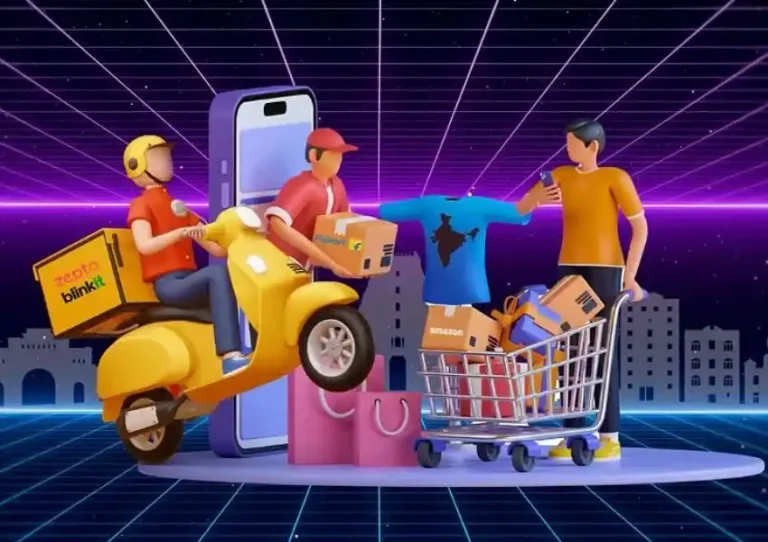
Online intermediaries connect consumers with different sellers and earn through commissions, fees or advertising. Travel booking websites, food delivery apps and online marketplaces follow this model.
3. Advertising-Based Businesses
These companies provide free or low-cost content and earn revenue from advertisers. News websites, video platforms and social media networks are common examples.
4. Subscription-Based Businesses
Subscription businesses charge customers regularly for continued access to a product or service. Streaming services, fitness apps, learning platforms and digital newspapers commonly use this model.
5. Service-Based B2C Companies
These businesses provide personal services directly to consumers. Salons, gyms, tutors, repair professionals and travel agencies are examples.
Examples of B2C Business Models
An online fashion retailer is a common B2C example. It displays clothing on a website, accepts orders from individual buyers and delivers products to their homes.
A streaming platform is another example. Customers pay a monthly fee to watch movies, television programmes or other content for personal entertainment.
A restaurant follows a B2C model when it sells meals directly to diners or accepts orders through its website or app.
Other examples include:
- A supermarket selling groceries to households
- A salon providing hair and beauty services
- A bank offering personal savings accounts
- An airline selling tickets to travellers
- A mobile company selling phones to consumers
- An online tutor teaching individual students
These examples show that the B2C model operates in both physical and digital markets.
Advantages of the B2C Business Model
1. Large Customer Market
B2C businesses can target a large number of potential buyers. Depending on the product, a company may sell locally, nationally or internationally. Online stores can also reach customers beyond their physical location.
2. Shorter Sales Cycle
Consumers can often make decisions quickly because they do not need approval from departments or managers. An advertisement, recommendation or discount may lead to an immediate purchase.
3. Direct Customer Relationship
B2C companies communicate directly with the people who use their products. Reviews, surveys, social media comments and customer service conversations provide valuable feedback.
4. Opportunities for Brand Loyalty
Customers may repeatedly buy from brands they trust. Consistent quality, good service and convenience can create loyalty and encourage recommendations.
5. Flexible Marketing and Promotions
B2C businesses can use discounts, seasonal sales, loyalty rewards, bundles and limited-time offers. These methods can attract buyers and encourage faster decisions.
Disadvantages of the B2C Business Model
1. Intense Competition
B2C markets are often crowded, and customers may find many similar products. A business must invest in branding, quality and service to stand out.
2. High Marketing Costs
Reaching consumers may require continuous spending on advertising, promotions, content and social media. These expenses can reduce profit margins.
3. Lower Order Value
Individual customers usually purchase smaller quantities than business buyers. A B2C company may need hundreds or thousands of sales to generate strong revenue.
4. Changing Customer Preferences
Consumer interests can change quickly because of trends, technology, social media and economic conditions. A popular product may lose demand when a new alternative appears.
5. Customer Service and Returns
B2C businesses may deal with many questions, complaints, returns and refund requests. Poor service can result in negative reviews and damage future sales.
6. Price Sensitivity
Consumers frequently compare prices and may change brands for a discount. This can make it difficult to raise prices without losing customers.
B2C vs B2B Business Model
The main difference between B2C and B2B is the buyer.
A B2C company sells directly to individual consumers, while a B2B company sells to other businesses. B2C purchases are usually smaller, faster and influenced by price, convenience, lifestyle and personal preference.
B2B purchases are generally larger, more technical and based on efficiency, reliability, return on investment and long-term value.
Is the B2C Business Model Profitable?
The B2C model can be highly profitable when a company understands its customers and offers a product they genuinely want. A strong brand, easy buying process and repeat purchases can support long-term growth.
However, profitability depends on pricing, marketing costs, customer retention, delivery expenses and competition. Businesses must control costs because attracting new customers can be expensive.
Conclusion
The B2C business model involves selling products or services directly to individual consumers. It includes retailers, restaurants, subscription platforms, travel companies and personal service providers.
Its main strengths are access to a large market, faster purchasing decisions, direct customer feedback and brand loyalty. Its disadvantages include strong competition, high marketing costs, changing preferences and lower order values.
For entrepreneurs who understand consumer needs and provide quality, convenience and reliable service, the B2C model can offer strong growth and long-term business opportunities.