









JioMart is Reliance Retail’s online shopping and quick-commerce platform. Customers can use it to purchase groceries, fruits and vegetables, household essentials, electronics, fashion, beauty products, home items and several other categories.
The platform benefits from Reliance Retail’s large physical-store, supplier and distribution network. Orders can be fulfilled through nearby Reliance stores, dark stores, warehouses or third-party marketplace sellers, depending on the product and location.
JioMart therefore does not follow only one retail model. When Reliance Retail is the seller, it earns a margin on the product. When an independent seller supplies the item, JioMart can earn commissions, fulfilment fees, shipping charges and advertising income.
JioMart Company Quick Overview
| Particular | Details |
| Brand name | JioMart |
| Operator | Reliance Retail Limited |
| Parent company | Reliance Retail Ventures Limited |
| Ultimate parent | Reliance Industries Limited |
| National launch | May 2020 |
| Headquarters | Mumbai, Maharashtra |
| Industry | E-commerce, grocery and quick commerce |
| Core business model | Omnichannel retail and online marketplace |
| Main categories | Grocery, electronics, fashion, beauty, home and general merchandise |
| Main fulfilment channels | Reliance stores, dark stores, warehouses and marketplace sellers |
| FY2026 service network | More than 3,100 stores |
| FY2026 coverage | Over 5,100 PIN codes in more than 1,200 cities |
| Standalone JioMart revenue | Not separately disclosed |
| FY2026 Reliance Retail revenue | ₹3,71,085 crore |
JioMart was launched nationally in May 2020 as an online grocery service. It has since expanded into a multi-category commerce platform. By March 2026, its hyperlocal network included more than 3,100 stores serving over 5,100 PIN codes across more than 1,200 cities.
What Is the JioMart Business Model?
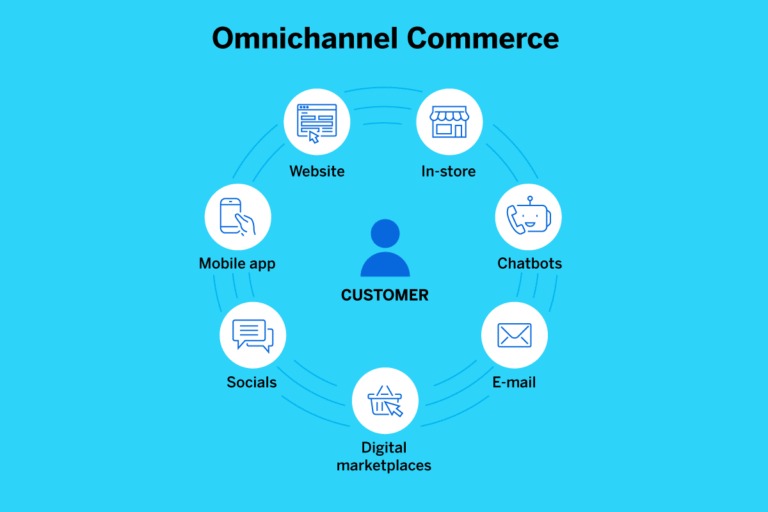
JioMart follows a hybrid omnichannel business model. It combines Reliance Retail’s physical stores and supply chain with a digital marketplace for third-party sellers.
When a product is sold directly by Reliance Retail, JioMart operates like an online retailer. Reliance purchases the product from a brand or supplier and sells it to the customer at a higher price.
For marketplace orders, independent businesses list and sell their products through JioMart. The platform facilitates discovery, payment, customer service and, in some cases, storage and delivery.
JioMart’s terms state that Reliance may be the seller for certain products, while it acts only as a facilitator when a third-party seller supplies the item.
How Does JioMart Make Money?
1. Retail Margins on Products Sold by Reliance
One of JioMart’s main revenue sources is the sale of products supplied directly by Reliance Retail.
Reliance purchases groceries, electronics, household goods and other products from manufacturers or distributors. It then sells them through JioMart at retail prices.
The difference between the selling price and the procurement cost contributes to the gross margin. However, this difference is not pure profit. Reliance must also cover warehousing, store operations, packaging, delivery, discounts and employee expenses.
JioMart benefits from Reliance Retail’s purchasing scale. Large orders can help the company negotiate competitive prices with brands and suppliers.
2. Commissions from Marketplace Sellers
Independent brands, manufacturers and merchants can list eligible products on JioMart.
When a third-party seller completes a sale, JioMart may charge a commission based on the product category, price and applicable seller plan.
Commission rates are not identical across the platform. They vary because categories such as electronics, fashion, kitchenware and home furnishings have different margins and return rates.
The seller receives the remaining payment after commissions, fees, taxes, returns and other applicable adjustments. JioMart’s official seller schedule confirms that category-linked commissions form part of its seller fee structure.
3. Fixed Seller Fees
JioMart may charge sellers a fixed fee on eligible completed orders.
Unlike a percentage commission, a fixed fee is generally linked to the item or transaction value. This allows the platform to earn a defined amount for providing its marketplace infrastructure.
The fee supports services such as product listings, digital payments, order management, customer communication and seller settlement.
A fixed fee can be especially useful on categories where the percentage commission is low or zero.
4. Shipping and Logistics Charges
Sellers can either manage fulfilment through an approved logistics provider or use JioMart’s fulfilment network.
When JioMart or its logistics partners handle an order, the seller may pay shipping charges based on the parcel’s weight, delivery distance and fulfilment method.
Local deliveries generally cost less than regional or national shipments. Sellers may also face reverse-logistics charges when a customer returns a product.
JioMart earns or recovers logistics income through these shipping arrangements. A large portion of the charge is used to pay transportation and delivery costs, so the full amount does not become profit.
5. Warehousing and Fulfilment Fees
JioMart allows sellers to store inventory at Reliance fulfilment centres. The platform can then pick, pack and deliver products when customers place orders.
Sellers using this service may pay processing, storage, labelling and related fulfilment charges. JioMart also manages eligible customer returns.
This model creates revenue beyond the original marketplace commission. It also gives JioMart greater control over product availability, packaging quality and delivery speed.
The official seller platform lists processing, storage, labelling and shipping charges among the costs associated with JioMart fulfilment.
6. Advertising and Sponsored Visibility
Brands and sellers can pay to promote their products through JioMart Ads.
Sponsored products may receive better visibility in search results, category pages, promotional campaigns or other sections of the platform. This helps sellers reach customers who are already searching for related products.
Advertising can provide stronger margins than physical retail because JioMart does not have to purchase or deliver the advertised item merely to display the promotion.
JioMart’s seller platform promotes JioMart Ads as a service that helps brands increase visibility and expand their customer reach.
7. Hyperlocal and Quick-Commerce Orders
JioMart uses nearby dark stores and Reliance outlets to fulfil orders quickly. Grocery, household and other frequently purchased items can be delivered from inventory located close to the customer.
The company earns through product margins, merchant commissions and applicable fulfilment or delivery charges attached to these orders.
Quick commerce can become more efficient when one store processes many orders within a small area. Rent, employees and technology expenses can then be spread across a larger number of transactions.
Reliance reported that JioMart’s network had become one of India’s largest quick-commerce systems, with more than 3,100 stores and average daily orders growing 3.6 times year over year during FY2026.
8. Own and Private-Label Products
Reliance Retail sells several own-brand products through its stores and online platforms.
Private-label goods can offer better margins because Reliance has greater control over manufacturing arrangements, sourcing, packaging and pricing.
Instead of earning only a retailer’s margin on a national brand, Reliance can retain a larger part of the value created by its own products.
However, the company must also bear responsibility for product development, inventory, promotion and quality control.
9. Merchant Distribution Through JioMart Digital
JioMart Digital is Reliance Retail’s business-to-business merchant distribution operation. It connects retailers and small businesses with products, devices and supply-chain services.
JioMart Digital earns by distributing products to merchant partners and retaining the relevant trading or service margin.
This business is related to Reliance’s broader digital-commerce strategy, but it should not be confused completely with the customer-facing JioMart shopping app.
By FY2026, JioMart Digital had around 1.2 lakh active retail partners and reached more than 85% of its addressable retail market.
Why JioMart Has an Advantage
JioMart can use Reliance Retail stores as fulfilment points instead of building a separate dark store for every location.
This helps the platform use existing inventory, employees and property more efficiently. The same products can be sold to walk-in shoppers and online customers.
JioMart also has access to Reliance’s supplier relationships, warehouses, technology and large customer base. The connection with WhatsApp, Jio services and other Reliance platforms can make customer acquisition and ordering more convenient.
Major Costs in the JioMart Business Model
JioMart’s largest costs include product procurement, warehousing, store operations and last-mile delivery.
Other major expenses include:
- Employee and delivery-partner payments
- Product discounts and promotional offers
- Dark-store rent and utilities
- Packaging and order fulfilment
- Technology and cloud infrastructure
- Payment processing and refunds
- Customer support
- Product returns and damaged inventory
- Advertising and customer acquisition
Grocery and quick-commerce orders can produce narrow margins. A small order may become unprofitable when picking, packing and delivery expenses are too high.
Latest Financial Information
Reliance does not separately disclose JioMart’s complete revenue, profit or gross order value.
The reported figures cover the entire Reliance Retail business, including physical stores, fashion, electronics, grocery, wholesale, pharmacy and other digital platforms.
Reliance Retail Ventures reported FY2025–26 consolidated revenue of ₹3,71,085 crore and EBITDA of ₹27,034 crore. Its registered customer base reached 387 million, while annual transactions crossed 1.9 billion. These numbers should not be treated as JioMart’s standalone results.
Challenges Facing JioMart
JioMart competes with Amazon, Flipkart, Blinkit, Zepto, Swiggy Instamart, BigBasket and numerous specialised online retailers.
The company must offer attractive prices while covering expensive delivery and fulfilment operations. Grocery orders are particularly challenging because customers expect low prices, fresh products and rapid delivery.
JioMart must also maintain accurate inventory across stores, warehouses and marketplace sellers. Orders may be cancelled when online stock information does not match actual availability.
Another challenge is returns. Fashion, electronics and general merchandise can have higher return rates, increasing reverse-logistics and inspection costs.
FAQs
Q1. Does JioMart own every product listed on its platform?
No. Some products are sold directly by Reliance Retail, while others are supplied by independent marketplace sellers.
Q2. Can small businesses sell products through JioMart?
Eligible businesses can register as sellers after providing the required documents and regulatory licences. Approval depends on the category and JioMart’s onboarding requirements.
Q3. Does JioMart charge the same commission on every product?
No. Commission rates vary by category, product type, selling price and applicable seller agreement.
Q4. Are all JioMart orders delivered from dark stores?
No. Orders may be fulfilled through dark stores, Reliance outlets, warehouses or third-party sellers, depending on the product and customer location.
Q5. Is JioMart profitable as a separate business?
Reliance does not publicly disclose JioMart’s standalone profit or loss. Therefore, its independent profitability cannot be determined from Reliance Retail’s consolidated results.
Conclusion
JioMart makes money through retail margins, marketplace commissions, seller fees, logistics services, fulfilment charges and advertising.
Its hyperlocal network allows it to use Reliance stores and dark stores to complete quick-commerce orders. Own-brand products and merchant distribution through JioMart Digital provide additional earning opportunities.
JioMart’s greatest strength is its connection with Reliance Retail’s physical and digital ecosystem. Its long-term success will depend on increasing order density while controlling discounts, fulfilment expenses and last-mile delivery costs.