







Buying a commercial property in India can look exciting on paper. A shop in a busy market, an office in a growing business district or a small warehouse near an industrial corridor may promise rental income and long-term appreciation. But commercial property is very different from buying a home. A unit can look impressive and still become a weak investment if the title is unclear, the location has poor tenant demand, the building has high maintenance costs or the rent assumptions are unrealistic.
Before paying a booking amount, a buyer should check the property from three angles: legal safety, business potential and total cost. The aim is not simply to buy a good-looking space. It is to buy a property that can be legally owned, easily used and reasonably rented or resold. Here are the most important checks to make before buying commercial property in India.
1. Verify the Title and Seller’s Right to Sell
Start with ownership. Confirm that the seller or developer has a clear legal right to transfer the property. For a resale commercial unit, review the chain of previous ownership documents and check whether any lender, co-owner or other party has a claim over the asset.
Commercial transactions can involve companies, partnerships and inherited properties, so the paperwork may be more complicated than a normal home purchase. An independent property lawyer should review the title and transaction documents before you make a large payment.
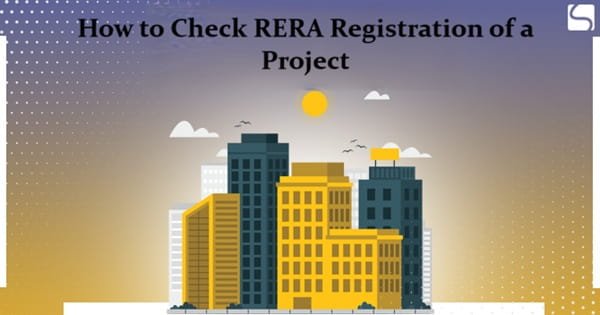
2. Check RERA Registration Where Applicable
The Real Estate (Regulation and Development) Act covers both residential and commercial real estate. If the commercial project falls within RERA registration requirements, verify it on the official RERA portal of the relevant state or Union Territory.
Check the promoter’s details, approved plans, declared completion schedule and project updates. Do not depend only on a RERA number printed in a brochure. Match it with the official record.
3. Confirm Land Use, Building Approvals and Occupancy Status
A commercial property should be approved for the type of use you expect. A space intended for offices, retail, restaurants, clinics or warehouses may be subject to different local planning and building rules.
For completed buildings, check the status of the required completion or occupancy approvals under local rules. Also make sure that the actual construction broadly matches the sanctioned plans. Buying a unit first and discovering a use restriction later can seriously reduce its value.
4. Study the Location Like a Business Owner
Location matters in commercial real estate, but the right location depends on the type of property. A shop needs visibility and customer footfall. An office may need good road or metro access, parking and proximity to business hubs. A warehouse needs truck access and links to highways or industrial zones.
Visit the area on working days and at different times. Observe traffic, surrounding businesses, vacant units and upcoming competing projects. A famous address is not useful if tenants do not actually want to operate there.
5. Check Real Rental Demand, Not Just Promised Rent
Developers and brokers may quote attractive expected rents. Verify those numbers independently. Speak to local brokers, existing tenants and owners in nearby buildings. Compare what similar units are actually being rented for, not only the asking rent shown in advertisements.
Also check how long vacant units usually remain empty. A property promising ₹1 lakh monthly rent is far less attractive if it stays vacant for six months between tenants.
6. Understand the Existing Lease if the Property Is Pre-Leased
A pre-leased office or shop can provide income from the first day, but the lease itself needs careful review. Check the tenant’s business, current rent, lease period, security deposit, rent escalation, lock-in period, renewal terms and responsibility for maintenance.
Do not buy only because someone advertises a high rental yield. A strong tenant on a sensible lease can be more valuable than a higher rent from a weak tenant who may leave or stop paying.
7. Calculate the Real Cost of Ownership
The purchase price is only the starting point. Depending on the property and state, the buyer may also have to budget for stamp duty, registration, brokerage, loan charges, fit-out expenses, parking, maintenance deposits and taxes where applicable.
Commercial buildings may also charge common area maintenance, or CAM, for security, lifts, housekeeping, power backup and shared facilities. Ask for the current CAM bill and understand how often charges can increase. A property with strong rent but very high recurring expenses can deliver disappointing net income.
8. Check Carpet Area, Layout and Practical Usability
Do not judge a commercial unit only by its headline square footage. Understand how much usable space you actually get. Large common areas, awkward pillars or poor floor layouts can reduce the space available to a tenant.
Check ceiling height, electrical load, washrooms, lifts, fire exits, loading access and parking depending on the property’s intended use. A well-designed 800 sq. ft. office can sometimes be easier to rent than a badly planned 1,000 sq. ft. unit.
9. Inspect Construction Quality and Building Management
For a ready property, inspect the actual unit and common areas. Look for water seepage, cracks, lift condition, fire-safety equipment, power backup and maintenance quality. Speak to existing occupants about recurring problems.
A poorly maintained commercial building can quickly lose tenants even if it is in a good location. Good facility management protects both rental income and resale appeal.
10. Understand Financing and Tax Impact Before You Commit
Commercial property loans can differ from residential home loans in interest rate, tenure and down-payment requirements. Compare the EMI with realistic rental income rather than the most optimistic rent projection.
Tax treatment can also differ depending on whether the property is under construction, completed, rented or used by a business. Under GST law, construction intended for sale before completion can be treated as a taxable supply of service, while the position changes after completion or first occupation. Because tax treatment depends on the transaction, check the current position with a qualified tax professional before signing.
11. Think About Exit Value Before You Buy
Commercial property can take longer to resell than a typical residential apartment. Before buying, ask who the likely future buyer will be. Will investors want the unit? Can an end-user operate there? Are many similar units already available in the same complex?
Good commercial investments usually have more than one exit route. They can attract tenants while you own them and buyers when you eventually want to sell.
Conclusion
Buying commercial property should be treated as a business decision, not an emotional purchase. A beautiful lobby or promised rental return cannot replace a clear title, proper approvals, genuine tenant demand and sensible numbers.
Before committing your money, verify the legal documents, RERA details where applicable, permitted use, rental market, lease terms, maintenance costs, usable area, building condition and financing. The best commercial property is not necessarily the cheapest or the most impressive. It is the one that combines legal safety, practical usability, sustainable income potential and a realistic exit opportunity.