







Yes, a toy shop is generally legal in India without a special toy-shop registration, provided the business complies with the laws applicable to retail businesses and the toys it sells meet India’s safety and quality requirements. There is no general nationwide licence that every toy retailer must obtain simply because it sells toys.
However, toys are a regulated product category. A retailer must be particularly careful about Bureau of Indian Standards (BIS) requirements, product safety, packaging and labelling, consumer protection, taxation and sourcing. The fact that a toy shop does not need a special retail licence does not mean that every toy can legally be sold.
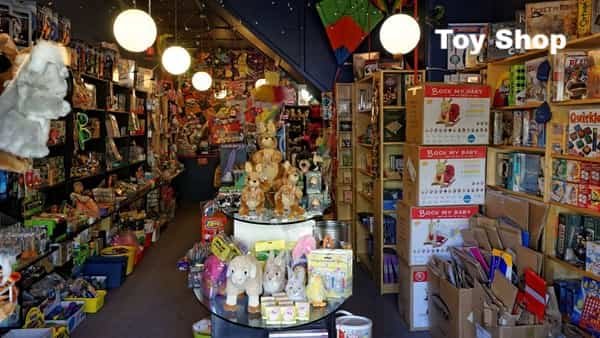
Is a Toy Shop Legal in India?
Yes. A person can generally establish a toy shop as a proprietorship, partnership, LLP or company and sell legally compliant toys.
A toy retailer may sell products such as:
- Dolls and action figures
- Board games
- Puzzles
- Educational toys
- Building sets
- Outdoor toys
- Battery-operated toys
- Infant and children’s toys
However, Indian law imposes specific safety requirements on toys because they are primarily used by children.
Is BIS Certification Required for Toys?
This is one of the most important legal requirements for toy retailers.
The Toys (Quality Control) Order, 2020, issued under the Bureau of Indian Standards Act, 2016, requires toys covered by the Order to conform to the specified Indian Standards and bear the Standard Mark under a BIS licence.
The Quality Control Order applies to toys intended for children under 14 years of age and covers relevant categories of toys, including electric and non-electric toys.
Therefore, a retailer should not assume that a toy is lawful simply because it has been imported or purchased from a domestic wholesaler.
Does the Toy Shop Itself Need BIS Certification?
The BIS requirement primarily concerns the manufacturer, importer or relevant product compliance, rather than requiring every ordinary retailer to obtain a separate BIS manufacturing licence for the shop.
However, retailers should sell toys that comply with the applicable BIS requirements.
A retailer who knowingly deals in non-compliant products can face legal and commercial consequences. The safest approach is to purchase toys from legitimate manufacturers, importers or authorised distributors and retain invoices and product documentation.
Can a Retailer Sell Imported Toys?
Yes, imported toys can be sold in India, but imported toys must comply with applicable Indian requirements.
The Toys Quality Control Order applies to imported toys as well as domestically manufactured products within its scope. Importers may therefore need to satisfy BIS requirements before placing covered toys on the Indian market.
A retailer should not purchase cheap imported toys from unverified sources simply because they are offered at a lower price.
Products without appropriate compliance information may create safety, customs and consumer-protection risks.
What About Small Toy Shops?
A small neighbourhood toy shop does not generally receive an exemption from product-safety requirements merely because it is small.
The shop may not require a special “toy-shop licence,” but the products sold must still comply with applicable rules.
A small retailer should therefore verify that the toys being purchased from wholesalers carry the required compliance markings and documentation.
Keeping supplier invoices is also useful because they can establish where the products were obtained.
Does a Toy Shop Need GST Registration?
GST registration is separate from toy-safety requirements.
Whether a retailer must register for GST depends on factors such as aggregate turnover, the nature of supplies and applicable GST provisions.
A small retailer whose turnover remains below the applicable registration threshold may not necessarily need GST registration, subject to the relevant rules and exceptions.
However, the GST treatment of toys can vary according to the product classification and applicable tax rate.
A retailer should therefore distinguish between GST registration and GST rate. Even where registration is not immediately required, the business should maintain proper sales and purchase records.
Is Shops and Establishments Registration Required?
This depends on the state and how the toy shop operates.
A physical retail store may fall under the applicable Shops and Establishments legislation, which can impose requirements concerning registration, working hours, employee records, holidays and other employment-related matters.
The exact rules differ between states and territories.
An online toy retailer operating from a home or warehouse can have a different compliance position from a traditional retail shop employing several sales staff.
What Labelling Requirements Apply to Toys?
Toy packaging and labelling are important areas of compliance.
Depending on the product and applicable regulations, information may need to be provided concerning the manufacturer or importer, product identification, age suitability, warnings and other required declarations.
The retailer should not remove or obscure mandatory labels or safety warnings.
For children’s toys, age recommendations and warnings can be particularly important because certain products may present choking, ingestion, electrical or other safety hazards.
What Does Consumer Protection Law Require?
Toy shops must comply with India’s consumer-protection framework.
The Consumer Protection Act, 2019 prohibits unfair trade practices and misleading representations.
A retailer should therefore ensure that descriptions, prices, discounts, product photographs and safety claims are accurate.
For example, a retailer should not market a toy as “100% safe for all ages” if the manufacturer’s instructions specify an age restriction or warning.
Customers should also receive appropriate invoices or receipts and information concerning applicable return or refund policies.
Can a Toy Shop Sell Used Toys?
Generally, selling second-hand toys is not automatically prohibited, but the retailer must consider product safety and consumer-protection obligations.
A used toy should be accurately described as used, and any material defects should be disclosed.
For toys intended for very young children, sellers should be particularly cautious about broken parts, sharp edges, loose components, damaged batteries or missing safety information.
What Happens If a Shop Sells Unsafe Toys?
Selling non-compliant or unsafe toys can expose a retailer to regulatory and consumer-related consequences.
Depending on the violation, authorities can take action involving seizure, penalties, product recalls or other measures under applicable laws.
Consumers can also seek remedies where a defective or unsafe product causes loss or injury.
For this reason, retailers should establish a reliable purchasing process rather than sourcing toys from unknown suppliers.
Can a Toy Shop Operate Online?
Yes. An online toy store is generally legal in India.
However, online sellers must also comply with applicable e-commerce and consumer-protection rules, as well as product-safety requirements.
Online listings should accurately display relevant product information, age recommendations, safety warnings, prices and other required details.
Selling through a marketplace does not remove the seller’s responsibility to ensure that the products supplied are legally compliant.
Final Takeaway
A toy shop is generally legal in India without a special toy-shop registration. However, toy retailers must comply with important product-safety requirements, particularly the Toys (Quality Control) Order, 2020 and applicable BIS standards.
The retailer should purchase toys only from legitimate manufacturers, importers or distributors and verify that covered products carry the required BIS Standard Mark and other applicable information.
The business may also need to comply with GST, Shops and Establishments requirements, consumer-protection rules, packaging and labelling requirements and local business regulations, depending on its circumstances.
The most important distinction is between registration of the shop and compliance of the products. A retailer may not need a special licence merely to operate a toy store, but it cannot lawfully sell products that fail mandatory safety or quality requirements.