









Tata Steel produces the material used in buildings, bridges, vehicles, factories, railway projects, appliances and several other industries. However, its business is not limited to manufacturing basic steel. The company operates across much of the steel value chain, beginning with mining and continuing through manufacturing, processing, branding and distribution.
In India, Tata Steel operates captive iron ore and coal mines that supply important raw materials to its plants. It converts these materials into flat and long steel products and then sells them to automobile companies, infrastructure developers, manufacturers, dealers and individual homebuilders.
The company also operates in the Netherlands, the United Kingdom and Thailand. Its earnings therefore depend on steel demand, selling prices, production volumes, raw-material costs, energy prices and the performance of its international operations.
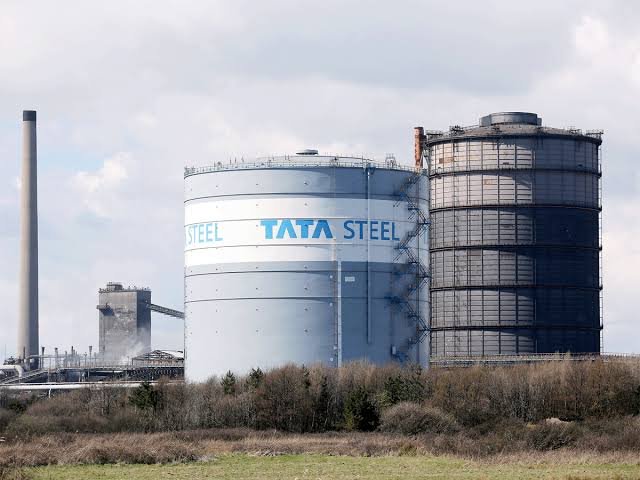
Tata Steel Company Quick Overview
| Particular | Details |
| Company | Tata Steel Limited |
| Established | 1907 |
| Parent group | Tata Group |
| Headquarters | Mumbai, Maharashtra |
| CEO and Managing Director | T. V. Narendran |
| Business type | Integrated steel manufacturer |
| Main operations | India, the Netherlands, the United Kingdom and Thailand |
| Main customers | Construction, automobile, engineering, energy and manufacturing companies |
| FY26 consolidated revenue | ₹2,32,140 crore |
| FY26 consolidated EBITDA | ₹34,848 crore |
| FY26 consolidated profit after tax | ₹10,886 crore |
| FY26 consolidated steel deliveries | 31.97 million tonnes |
Tata Steel is one of the few steel companies with activities extending from mining to the production and marketing of finished steel. T. V. Narendran currently serves as its Chief Executive Officer and Managing Director.
During FY26, consolidated revenue increased to ₹2,32,140 crore, while profit after tax reached ₹10,886 crore. The company produced 31.67 million tonnes and delivered 31.97 million tonnes of steel across its consolidated operations.
What Is Tata Steel’s Business Model?
Tata Steel follows a vertically integrated manufacturing model. It controls several important activities involved in making and selling steel.
The process begins with raw materials such as iron ore, coal and limestone. These materials are converted into molten iron and then into steel. The steel is rolled, coated, shaped or processed according to the requirements of different customers.
Tata Steel sells basic steel products as well as branded and specialised products. Its customers range from large automobile manufacturers and infrastructure companies to local dealers and families constructing individual homes.
Captive mines provide Tata Steel with greater control over the supply and cost of iron ore and part of its coal requirements in India. This improves cost competitiveness compared with manufacturers that must purchase all their raw materials from outside suppliers.
How Does Tata Steel Make Money?
1. Flat Steel Product Sales
Flat steel includes hot-rolled coils, cold-rolled sheets, galvanised sheets and coated steel products. These products are used in automobiles, appliances, engineering equipment, industrial machinery, pipes and packaging.
Tata Steel supplies flat steel directly to large manufacturers and through distributors and processing centres. The selling price depends on the grade, thickness, coating, order size and prevailing market conditions.
Specialised automotive steel can provide better margins than basic commodity steel because it must meet strict standards for strength, weight, appearance and safety.
2. Long Steel Product Sales
Long steel products include rebars, wire rods and other construction materials. They are widely used in houses, commercial buildings, bridges, roads, factories and public infrastructure.
Tata Tiscon is one of Tata Steel’s major construction-steel brands. The company sells these products through dealers, distributors, construction companies and digital channels.
In FY26, Tata Steel’s Branded Products and Retail division achieved record annual volumes of approximately 7.3 million tonnes. Tata Tiscon alone recorded volumes of around 2.4 million tonnes.
3. Automobile and Specialised Steel
Automobile companies purchase steel for vehicle bodies, chassis, wheels and other components. These customers require consistent quality, reliable delivery and specialised grades.
Tata Steel works directly with vehicle manufacturers and their component suppliers. Long-term customer relationships and technically advanced products can provide more stable demand than ordinary spot-market sales.
The company’s product portfolio also serves engineering, defence, shipbuilding, energy and capital-goods manufacturers. Its Industrial Products and Projects division delivered approximately 7.2 million tonnes during FY26.
4. Branded Construction and Retail Products
Tata Steel converts part of its production into branded products designed for individual builders, small contractors and rural customers.
Important brands include:
- Tata Tiscon construction steel
- Tata Shaktee roofing sheets
- Tata Structura structural tubes
- Tata Steelium cold-rolled steel
- Tata Pravesh doors and windows
- Tata Agrico agricultural tools
Branded products can provide better margins than undifferentiated steel because customers pay for product consistency, availability, technical support and brand trust.
Tata Steel also uses platforms such as Tata Steel Aashiyana and DigECA for digital commerce. Their combined gross merchandise value reached ₹9,360 crore in FY26.
5. Downstream Steel Products
Tata Steel processes basic steel into products such as tubes, wires, tinplate, bearings, coated sheets and fabricated components.
Downstream processing adds value because customers receive products that are closer to their final use. A manufacturer may prefer a precisely processed tube, wire or coated sheet instead of purchasing ordinary steel and processing it separately.
Tubes, tinplate and colour-coated products recorded double-digit volume growth during FY26, while the wires business exceeded its previous annual record.
6. European Steel Operations
Tata Steel operates major businesses in the Netherlands and the United Kingdom. These operations supply steel to European automobile, construction, packaging and industrial customers.
The Netherlands business generated FY26 revenue of €6.03 billion and EBITDA of €267 million. Its EBITDA almost tripled compared with the previous year.
The UK business generated revenue of £1.98 billion but recorded an EBITDA loss of £217 million. Although the loss remained substantial, it was nearly half the previous year’s level.
The European operations provide access to large developed markets but face high energy costs, environmental requirements and the expense of moving towards lower-carbon steel production.
7. Ferro-Alloys and Mineral Sales
Tata Steel’s mining and raw-material operations include chromite and manganese resources in addition to iron ore and coal.
The company processes selected minerals into ferro-alloys used in steel manufacturing. Surplus minerals and processed products may be sold to outside customers.
These activities provide additional revenue while supporting Tata Steel’s own manufacturing requirements. They also help the company capture more value from its mining assets.
8. Industrial By-products and Other Businesses
Steel manufacturing produces materials such as slag and other industrial by-products. Some of these can be processed and sold for use in cement, road construction and related industries.
Tata Steel also operates businesses involving agricultural equipment, heavy engineering, fabrication and specialised industrial products.
Although these activities are much smaller than the core steel business, they help the company earn value from existing facilities, technical capabilities and manufacturing by-products.
Tata Steel’s Major Operating Costs
Steel manufacturing requires enormous amounts of raw materials, energy and capital.
Tata Steel’s major costs include:
- Iron ore and coking coal
- Electricity, gas and other energy
- Freight and transportation
- Employee salaries
- Plant maintenance
- Refractory materials and consumables
- Environmental compliance
- Depreciation on factories and equipment
- Interest and finance costs
- Mining and land-restoration expenses
International operations may have to purchase more raw materials and energy from external suppliers than Tata Steel’s Indian plants. This is one reason profitability can differ considerably between India and Europe.
Tata Steel spent ₹14,026 crore on capital expenditure during FY26. Its net debt stood at ₹80,144 crore at the end of the year.
Why Tata Steel’s Model Can Be Profitable
Tata Steel’s captive mines, large production scale and established distribution network provide significant advantages in India.
Profitability improves when plants operate close to capacity because employee, maintenance and infrastructure expenses can be spread across more tonnes of steel. Specialised automotive steel, branded construction products and downstream products can also earn better margins than basic steel.
The Indian business generated FY26 revenue of ₹1,40,302 crore and EBITDA of ₹34,272 crore. Its EBITDA margin reached approximately 24%, supported by higher volumes, cost improvements and a better product mix.
Main Challenges in Tata Steel’s Business Model
Steel prices are cyclical and can fall when global supply grows faster than demand. Cheap imports can also put pressure on domestic prices.
Coal, energy and transportation costs can change rapidly. Even a small increase in cost per tonne becomes significant when the company produces millions of tonnes.
European operations face additional challenges involving energy prices, carbon-emission rules and the cost of replacing traditional blast furnaces with lower-emission technologies.
Steel plants also require continuous investment. Tata Steel must expand capacity, modernise equipment and reduce emissions without allowing debt to become excessive.
FAQs
Q1. Does Tata Steel mine all the raw materials it uses?
No. Tata Steel operates captive iron ore and coal mines in India, but it may still purchase coking coal and other materials from external suppliers, particularly for international operations.
Q2. Does Tata Steel sell products directly to individual customers?
Yes, selected branded construction and home-building products are available through dealers and digital platforms. However, a large part of Tata Steel’s business consists of bulk sales to companies and industrial customers.
Q3. Why is Tata Steel’s revenue much higher than its profit?
Revenue represents the complete value of steel and other products sold. The company must deduct raw materials, energy, employees, freight, maintenance, depreciation, interest and taxes before arriving at profit.
Q4. Does a rise in steel prices always benefit Tata Steel?
Not necessarily. Higher selling prices can increase revenue, but benefits may be reduced when coal, energy and transportation costs also rise or when customer demand falls.
Q5. Are Tata Steel’s European businesses profitable?
The Netherlands business was profitable at the EBITDA level in FY26. The UK business continued to report an EBITDA loss, although the loss was considerably lower than in the previous year.
Conclusion
Tata Steel makes most of its money by producing and selling flat and long steel products to construction, automobile, engineering and manufacturing customers.
Branded construction products, downstream steel, ferro-alloys, minerals and industrial by-products create additional revenue. Operations in the Netherlands, the United Kingdom and Thailand give Tata Steel access to international markets.
Its long-term profitability depends on steel prices, production volumes, raw-material security and plant efficiency. The company must also manage debt and invest heavily in cleaner steelmaking technologies while maintaining competitive prices.