








People no longer need to own a shop or run a registered company to sell products and services. Today, an individual can sell a used smartphone, handmade item, piece of furniture or even a freelance service directly to another person through an online platform. This type of exchange is known as the C2C business model.
C2C transactions have existed for a long time through garage sales, newspaper advertisements, local markets and auctions. However, the growth of the internet, digital payments and online marketplaces has made this model much more popular. Buyers and sellers can now connect within minutes, compare prices, communicate directly and complete transactions without depending on a traditional retailer.
What Is a C2C Business Model?
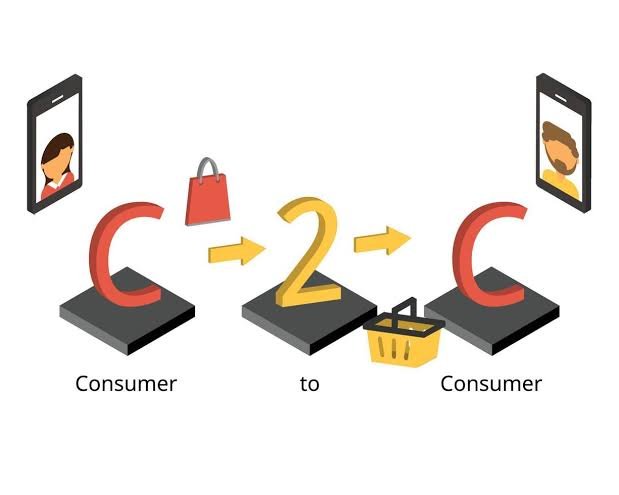
C2C stands for “consumer-to-consumer.” A C2C business model allows one individual consumer to sell a product or service directly to another individual consumer.
The transaction is usually supported by a third-party platform. The platform helps buyers and sellers find each other and may also provide services such as product listings, messaging, payment processing, ratings and dispute resolution.
For example, a person selling a used laptop to another person through an online marketplace is participating in a C2C transaction. Similarly, someone selling handmade jewellery, renting out personal property or auctioning a collectible item can also be part of the C2C model.
The platform itself generally earns money by charging listing fees, transaction commissions, advertising fees, payment processing charges or premium membership fees.
How Does the C2C Business Model Work?
The process usually begins when a seller creates an account on a marketplace or classified platform. The seller then uploads information about the product or service, including photographs, description, price and condition.
Interested buyers search or browse the platform and compare available options. They may contact the seller to ask questions, negotiate the price or arrange delivery.
Once both parties agree, the payment may be completed through the platform, by bank transfer, cash or another payment method. The item is then shipped, delivered or collected in person.
After the transaction, buyers and sellers may rate each other. These ratings help create trust and allow future users to identify reliable participants.
The platform does not usually own the products being sold. Its main role is to connect users and make the transaction safer and more convenient.
Common Types of C2C Transactions
1. Used Product Sales
This is one of the most common forms of C2C business. People sell products they no longer need to other consumers.
Examples include used mobile phones, furniture, books, clothing, home appliances and vehicles.
2. Online Auctions
In an online auction, an individual lists an item and interested buyers place bids. The person offering the highest bid usually purchases the item.
Auctions are commonly used for collectibles, antiques, artwork, rare products and second-hand goods.
3. Handmade and Creative Products
Individuals can sell handmade items directly to customers through online marketplaces.
Products may include jewellery, paintings, candles, clothing, crafts, home decorations and customised gifts.
4. Property and Space Sharing
Some C2C platforms allow individuals to rent rooms, homes, parking spaces or storage areas to other consumers.
The platform helps with booking, payment and reviews, while the actual property belongs to the individual owner.
5. Peer-to-Peer Services
Consumers may also offer personal services to other consumers. These services can include tutoring, photography, pet care, home repair, delivery or freelance work.
The person providing the service may not operate as a large business but still earns money through direct transactions.
Examples of C2C Business Models
An online marketplace where individuals sell used products is a clear example of a C2C model. A seller creates a listing, and another user purchases the item directly.
Another example is a platform that allows people to auction collectibles. The platform does not manufacture or own the items. It simply connects the seller with interested buyers and earns a fee from the transaction.
A person selling handmade artwork through a marketplace is also using the C2C model. The creator deals directly with buyers, while the platform provides visibility and payment support.
Other common examples include:
- A student selling old textbooks to another student
- A homeowner renting a spare room to a traveller
- A person selling used furniture through a classified website
- An individual auctioning vintage coins or stamps
- A freelance tutor offering lessons to students
- A seller offering second-hand clothes through a resale application
- A person renting personal equipment to another consumer
These examples show that C2C transactions can involve both products and services.
Advantages of the C2C Business Model
1. Lower Prices for Buyers
C2C products are often more affordable than products sold by traditional retailers. Used items, in particular, may be available at a much lower price.
Buyers can also negotiate directly with sellers and find products that fit their budget.
2. Extra Income for Sellers
Individuals can earn money by selling products they no longer use. Instead of throwing away old furniture, electronics or clothing, they can convert these items into income.
Some people also turn hobbies such as painting, crafting or collecting into regular sources of earnings.
3. Low Selling Costs
A seller does not usually need a physical shop, large inventory or many employees. Products can be listed online with limited investment.
This makes the model suitable for students, homemakers, freelancers and small-scale sellers.
4. Wider Market Reach
Online platforms allow sellers to reach buyers outside their local area. A product listed online may attract interest from another city or region.
This increases the chances of finding a suitable buyer.
5. Greater Product Variety
C2C platforms often offer a wide range of new, used, rare and handmade products.
Buyers may find discontinued goods, vintage items or customised products that are difficult to purchase from traditional stores.
6. Environmental Benefits
Buying and selling used goods can reduce waste. Products remain in use for longer instead of being thrown away.
This supports reuse and can reduce the demand for producing new goods.
7. Easy Market Entry
Almost anyone can participate in a C2C marketplace. A seller can create an account, upload product details and begin selling without building a complete business system.
Disadvantages of the C2C Business Model
1. Risk of Fraud
One of the biggest concerns in C2C transactions is fraud. A seller may provide false information, use misleading photographs or fail to deliver the product after receiving payment.
Buyers may also make false claims or misuse refund policies.
2. Lack of Quality Control
C2C platforms may not inspect every product listed by users. The condition, authenticity and quality of an item may depend entirely on the seller’s description.
A buyer may receive a damaged, counterfeit or poor-quality product.
3. Limited Guarantees
Traditional retailers often provide warranties, returns and customer support. C2C sellers may not offer these protections.
Once the transaction is completed, the buyer may have limited options if the product develops a problem.
4. Safety Concerns
Some transactions require buyers and sellers to meet in person. Meeting unknown individuals can create personal safety risks.
Users should choose public locations, avoid carrying large amounts of cash and inform someone before meeting a seller or buyer.
5. Payment Disputes
Disagreements may arise over delayed payments, damaged goods, delivery issues or refund requests.
The problem can become more difficult when the payment is completed outside the platform.
6. Unreliable Product Information
Individual sellers may not provide complete or professional product details. Important information about age, condition, defects or usage may be missing.
This can make it difficult for buyers to judge the true value of the product.
7. Heavy Dependence on Trust
The success of a C2C transaction depends on trust between two individuals who may not know each other.
Ratings and reviews can help, but fake reviews and newly created accounts may still create uncertainty.
How Do C2C Platforms Make Money?
Although consumers sell directly to each other, the platform that supports the transaction can earn revenue in several ways.
It may charge a commission on every successful sale. Some platforms charge sellers a listing fee or allow them to pay for promoted listings. Others earn revenue through advertisements, subscription plans, delivery services or payment processing fees.
The platform must attract a large number of users because its value increases when more buyers and sellers participate.
C2C vs B2C Business Model
The main difference between C2C and B2C lies in the identity of the seller.
In a C2C transaction, one consumer sells to another consumer. In a B2C transaction, a business sells directly to an individual customer.
B2C companies usually control product quality, pricing, customer service and delivery. C2C platforms mainly connect independent users, so product quality and service may vary from one seller to another.
C2C transactions are often more flexible and affordable, while B2C transactions usually provide better guarantees and professional support.
Is the C2C Business Model Profitable?
The C2C model can be profitable for both individuals and marketplace operators. Sellers can earn extra income with limited investment, while platforms can earn commissions from a large number of transactions.
However, long-term success depends on trust, user safety, secure payments and effective dispute resolution. A platform that fails to control scams or poor-quality listings may quickly lose users.
Conclusion
The C2C business model allows individuals to sell products and services directly to other individuals. Online marketplaces, auction platforms, resale applications and property-sharing services are common examples of this model.
Its main advantages include lower prices, low selling costs, wider market access and opportunities to earn additional income. However, users may also face fraud, poor-quality products, payment disputes and limited customer protection.
When supported by a reliable platform and careful user behaviour, the C2C model can provide a simple, affordable and convenient way for consumers to buy, sell and exchange value directly.