





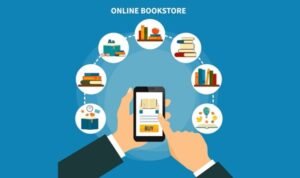

Many brands no longer depend entirely on wholesalers, distributors or retail stores to reach customers. Instead, they sell products directly through their own websites, mobile apps, social media pages or branded stores. A skincare company may take orders through its website, a mattress brand may deliver products directly to homes, and a food company may sell subscription boxes without using a supermarket.
These companies follow the D2C business model. This model has become popular because it allows brands to control their pricing, marketing, customer experience and product presentation.
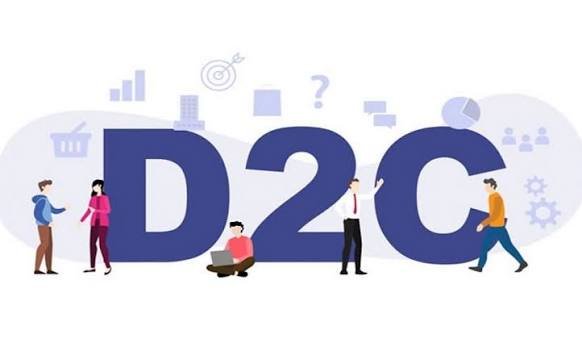
What Is a D2C Business Model?
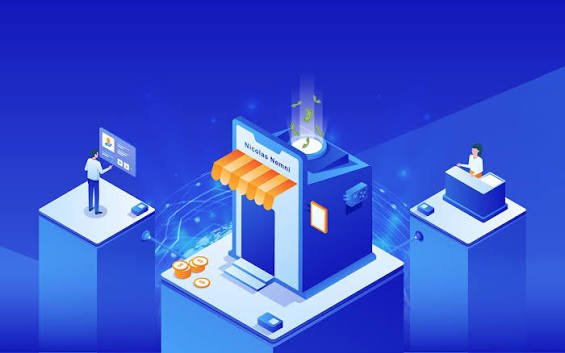
D2C stands for “direct-to-consumer.” A D2C business model is a system in which a manufacturer or brand sells its products directly to individual customers without relying mainly on wholesalers, distributors or third-party retailers.
The company manages most parts of the customer journey itself. These may include product development, marketing, online sales, payment collection, packaging, delivery and customer support.
For example, a footwear brand that manufactures shoes and sells them through its own website follows a D2C model. The customer purchases directly from the brand rather than buying from a department store or online marketplace.
D2C is a type of B2C business model because the final buyer is an individual consumer. However, the main feature of D2C is that the brand removes traditional middlemen from the selling process.
How Does the D2C Business Model Work?
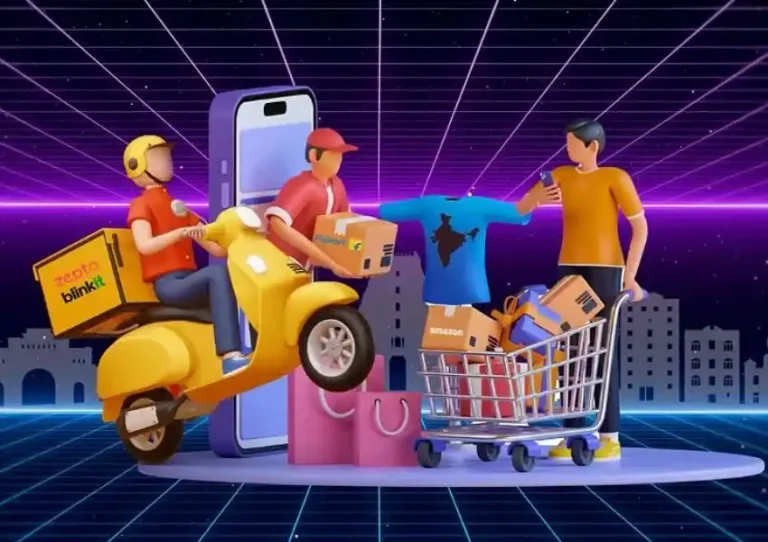
A D2C company first creates or manufactures a product for a specific group of customers. It then promotes the product through digital advertising, social media, email marketing, influencers, content and search engines.
Customers usually discover the brand online and visit its website or app. They can read product descriptions, view images, compare options, check reviews and place an order directly.
After receiving the order, the company processes the payment, packs the product and arranges delivery. Some D2C brands operate their own warehouses, while others use third-party logistics providers for storage and shipping.
The brand also handles customer questions, returns, refunds and after-sales service. Because the company communicates directly with buyers, it can collect feedback and use it to improve products and marketing.
Common Types of D2C Businesses
1. Product-Based D2C Brands
These companies manufacture or source physical products and sell them directly to consumers.
Examples include clothing, footwear, beauty products, furniture, food, electronics, eyewear and household goods.
2. Subscription-Based D2C Companies
Subscription businesses deliver products regularly in exchange for a monthly, quarterly or annual fee.
Examples include meal boxes, personal care products, coffee, pet supplies and grooming kits.
3. Digital-First Brands
Digital-first D2C brands begin by selling online rather than opening physical retail stores.
They may later establish showrooms or branded outlets, but their websites and apps remain their main sales channels.
4. Social Commerce Brands
Some D2C companies promote and sell products mainly through social media platforms. They use short videos, live shopping, creator partnerships and direct messages to reach consumers.
5. Omnichannel D2C Brands
These brands combine online selling with physical stores, pop-up shops or experience centres. Customers may discover the product online, examine it in a store and complete the purchase through either channel.
Examples of D2C Business Models
A skincare brand selling products through its own website is a common D2C example. It controls product information, discounts, packaging and customer communication without depending on a supermarket or pharmacy.
An online mattress company is another example. Customers select a mattress on the brand’s website, make the payment and receive it directly at home.
A coffee company may use a subscription-based D2C model. Customers choose their preferred coffee and receive a new package every month.
Other examples include:
- A clothing brand selling through its own website
- A jewellery company taking orders through social media
- A food brand delivering snacks directly to customers
- A fitness company selling equipment through its app
- A personal care brand offering monthly grooming kits
- A furniture company delivering products from its warehouse
- A pet care company selling food through subscriptions
These examples show that D2C businesses can operate in many consumer industries.
Advantages of the D2C Business Model
1. Direct Relationship With Customers
D2C brands communicate directly with the people who buy and use their products. They can receive reviews, complaints, suggestions and questions without depending on a retailer.
This direct communication helps the company understand customer needs more clearly.
2. Greater Control Over the Brand
A D2C company controls how its products are displayed, priced and promoted. It can decide the website design, packaging, advertising message and customer service standards.
This helps the company create a consistent brand identity.
3. Access to Customer Data
When customers buy directly, the company can collect useful information such as purchasing history, product preferences and shopping behaviour.
This information can help the brand improve its products, personalise marketing and recommend relevant items.
4. Better Profit Margins
Traditional retail models may require a brand to share revenue with wholesalers, distributors and retailers. A D2C company removes some of these intermediaries.
As a result, the brand may keep a larger portion of the selling price, although it must also pay for marketing, delivery and customer service.
5. Faster Product Improvement
D2C companies receive direct feedback from customers. They can identify complaints, study demand and make product changes more quickly.
This may help them launch new designs, sizes, flavours or features based on actual customer preferences.
6. Flexible Pricing and Promotions
A D2C brand can introduce discounts, bundles, subscriptions and loyalty rewards without waiting for approval from retail partners.
It can also test different prices and promotional offers.
Disadvantages of the D2C Business Model
1. High Customer Acquisition Costs
D2C brands must attract customers on their own. They may need to spend heavily on social media advertising, search engine marketing, influencers and content.
Advertising costs can reduce profit, especially when customers do not make repeat purchases.
2. Responsibility for the Entire Sales Process
The company must manage product development, marketing, payments, inventory, packaging, shipping, returns and customer support.
Handling all these activities can be difficult for a small or new business.
3. Logistics and Delivery Challenges
Customers expect fast, safe and affordable delivery. Delays, damaged products or incorrect orders can harm the brand’s reputation.
International shipping and returns can make operations even more complicated.
4. Limited Physical Presence
Customers may hesitate to buy products they cannot see, touch or try. This can be a problem for clothing, furniture, cosmetics and other products where personal experience matters.
Some D2C brands solve this problem by opening showrooms or offering easy returns.
5. Strong Competition
It is relatively easy to create an online store, which means many brands may sell similar products. A D2C company must compete through quality, pricing, design, service and brand trust.
6. Dependence on Digital Platforms
Many D2C brands depend on search engines, social media platforms and online advertising networks. Changes in advertising costs, algorithms or platform rules may reduce customer reach.
D2C vs Traditional Retail Model
In a traditional retail model, a manufacturer may sell products to a wholesaler, who then supplies them to a retailer. The retailer finally sells the products to consumers.
In a D2C model, the manufacturer or brand sells directly to the final customer.
Traditional retail can provide wider store distribution and an established customer base. D2C offers greater control, direct feedback and access to customer information.
Some businesses use both models. They sell through retailers and marketplaces while also operating their own websites and branded stores.
Is the D2C Business Model Profitable?
The D2C model can be profitable when a company offers a strong product, builds customer trust and encourages repeat purchases. Direct selling may improve margins and create stronger customer relationships.
However, profitability depends on advertising costs, product pricing, delivery expenses, return rates and customer retention. A company may struggle if it spends too much to attract each buyer.
Successful D2C brands usually focus on product quality, efficient logistics, helpful customer service and long-term loyalty rather than depending only on paid advertising.
Conclusion
The D2C business model allows a manufacturer or brand to sell products directly to consumers without relying mainly on wholesalers or retailers. It is commonly used by online clothing, beauty, food, furniture, fitness and subscription brands.
Its main advantages include direct customer relationships, greater brand control, access to customer data and the possibility of better profit margins. Its disadvantages include high marketing costs, delivery challenges, intense competition and responsibility for the entire customer experience.
For businesses that understand their target market and can manage digital sales, logistics and customer service effectively, the D2C model can offer valuable opportunities for growth.