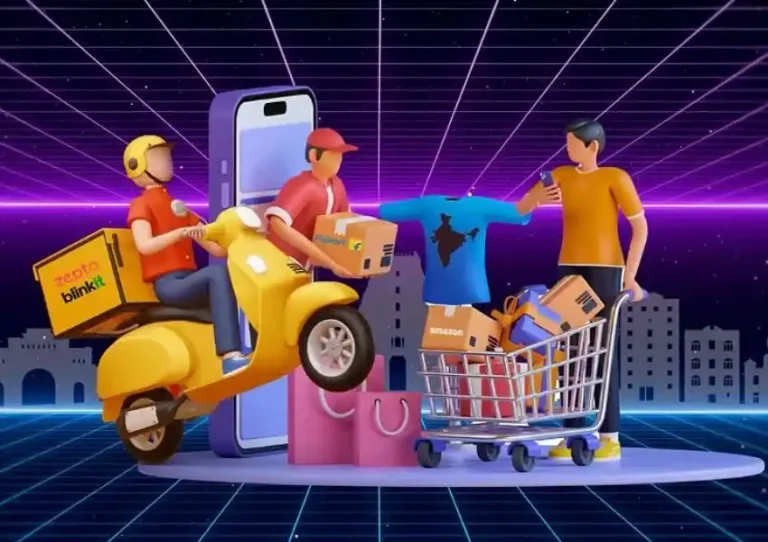






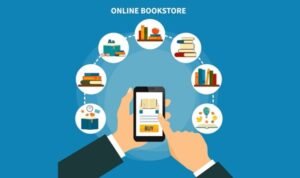


People no longer need to depend entirely on traditional companies to buy, sell, borrow or exchange products and services. A person can rent a room from another individual, lend money through an online platform, sell a used product or share a vehicle with someone travelling in the same direction. These transactions are made possible by the P2P business model.
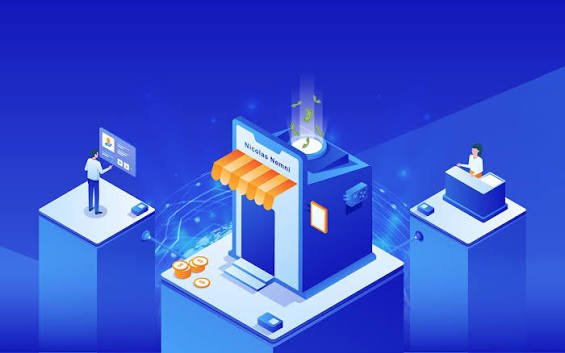
The P2P model uses digital platforms to connect individuals directly. The platform usually does not own the products or provide the main service itself. Instead, it creates a trusted system through which users can find one another, communicate, make payments and complete transactions.

What Is a P2P Business Model?
P2P stands for “peer-to-peer” or “person-to-person.” A P2P business model is a system in which a platform connects individuals who want to exchange products, services, money, information or other resources directly with one another.
One person usually acts as the provider, seller, lender or owner, while another person acts as the buyer, borrower, renter or user.
For example, when an individual sells a used bicycle to another person through an online marketplace, it is a P2P transaction. Similarly, when a homeowner rents a spare room to a traveller through a digital platform, the arrangement follows a P2P model.
The platform supports the transaction by offering features such as user profiles, product listings, search tools, reviews, identity verification, payment processing and dispute resolution.
How Does the P2P Business Model Work?
A P2P platform first creates an online marketplace where individuals can register as providers or users. Providers list the products, services or resources they want to offer.
Interested users search through the available listings, compare prices, read reviews and contact the provider. The two parties may agree on the price, delivery method, rental period or service conditions.
The platform may process the payment and temporarily hold the money until the transaction is completed. After the buyer receives the product or service, the payment is released to the provider.
Most P2P platforms earn money by charging transaction fees, listing fees, commissions, subscriptions or service charges. Some platforms also generate revenue through advertising or premium features.
Trust is extremely important in this model. Ratings, reviews, secure payments and identity checks help users feel more confident while dealing with people they may not know personally.
Common Types of P2P Businesses
1. P2P Marketplaces
These platforms allow individuals to buy and sell new or used products directly.
Common categories include furniture, clothing, electronics, books, vehicles and household goods. The platform may charge sellers a fee or receive a commission from completed sales.
2. P2P Lending Platforms
P2P lending platforms connect people who want to borrow money with individuals or investors willing to lend it.
The platform evaluates borrowers, manages repayments and charges fees. Lenders may earn interest, while borrowers may receive an alternative to traditional bank loans.
3. P2P Rental Platforms
These platforms allow individuals to rent property or personal belongings to others.
People may rent rooms, homes, cars, tools, cameras, bicycles or equipment that would otherwise remain unused.
4. P2P Service Platforms
P2P service platforms connect individuals who offer skills with people who need those services.
Examples include tutoring, home repairs, delivery, pet care, cleaning, graphic design and freelance writing.
5. P2P Payment Platforms
These services allow people to send and receive money directly through mobile apps or digital accounts.
The platform makes personal payments faster and may earn money through business transactions, instant transfers or additional financial services.
Examples of P2P Business Models
An online resale marketplace is a common P2P example. A person can upload photographs of a used product, mention the price and communicate with interested buyers.
A home-sharing platform is another example. Property owners list rooms or homes, while travellers book them for a particular period. The platform manages the booking and collects a service fee.
P2P lending is also widely used. Individual lenders provide funds to borrowers through a platform and receive repayments with interest.
Other examples include:
- A person renting a car to another driver
- A homeowner renting tools to a neighbour
- A freelancer providing services to an individual client
- A student receiving online lessons from another person
- A user selling second-hand furniture through an app
- Two individuals transferring money through a payment platform
- A traveller sharing transport costs with another passenger
These examples show that P2P businesses can operate in finance, accommodation, transportation, education, retail and professional services.
Advantages of the P2P Business Model
1. Lower Operating Costs
A P2P platform does not always need to own large amounts of inventory, property or equipment. The products and services are supplied by individual users.
This can reduce warehousing, manufacturing and asset ownership costs.
2. Better Use of Existing Resources
The P2P model allows people to earn money from resources they already own. A spare room, unused vehicle, camera or professional skill can generate additional income.
It also helps other users access these resources without purchasing them permanently.
3. Wide Variety of Choices
Because many individuals can list products or services, customers may find a wider range of prices and options than they would receive from a single traditional company.
Users can compare providers according to location, rating, availability and price.
4. Flexible Income Opportunities
Individuals can use P2P platforms to earn money according to their own schedules. They may sell unwanted goods, rent assets or provide services on a part-time basis.
This flexibility makes the model attractive to freelancers, students and small service providers.
5. Easy Market Expansion
A digital platform can enter new locations without opening traditional stores in every area. As more people join, the platform can offer additional products and services.
This creates the possibility of rapid growth.
6. Community-Based Transactions
P2P platforms can create communities in which users share resources and support one another. Reviews and repeated interactions may increase trust among participants.
Disadvantages of the P2P Business Model
1. Trust and Safety Concerns
Users often deal with strangers. There may be risks involving fraud, fake listings, damaged products, unsafe services or misleading information.
Platforms must invest in identity verification, payment security and user protection.
2. Inconsistent Quality
The platform may not have complete control over every provider. The quality of products, accommodation or services can vary significantly.
One poor experience may reduce a customer’s trust in the entire platform.
3. Regulatory Challenges
P2P businesses may face rules related to lending, taxation, insurance, employment, accommodation and consumer protection.
Regulations may vary between cities, states and countries, making expansion more complicated.
4. Disputes Between Users
Disagreements may occur over payments, product condition, cancellations, damage or service quality.
The platform must provide clear policies and an effective dispute-resolution system.
5. Dependence on User Participation
A P2P platform needs enough providers and customers to remain useful. Without sufficient listings, customers may not find what they need.
Similarly, providers may leave if there are not enough buyers.
6. Platform Reputation Risk
The actions of individual users can affect the reputation of the platform. Reports of fraud, unsafe behaviour or poor service may discourage others from joining.
Is the P2P Business Model Profitable?
The P2P model can be profitable when a platform attracts a large and active user base. Transaction fees, commissions, subscriptions and premium services can create recurring revenue.
However, the business must spend money on technology, marketing, customer support, security and regulatory compliance. It must also balance the needs of providers and customers.
A successful P2P platform offers convenience, reliable protection and enough active users to make the marketplace valuable for everyone.
Conclusion
The P2P business model connects individuals who want to exchange products, services, money or resources directly. It is commonly used in resale marketplaces, lending, accommodation, rentals, payments and freelance services.
Its main advantages include lower operating costs, better use of existing resources, flexible earning opportunities and a wide variety of choices. Its disadvantages include safety risks, inconsistent quality, regulatory challenges and dependence on user participation.
For entrepreneurs who can build trust, maintain a secure platform and attract a strong community, the P2P model can provide valuable opportunities for long-term growth.