









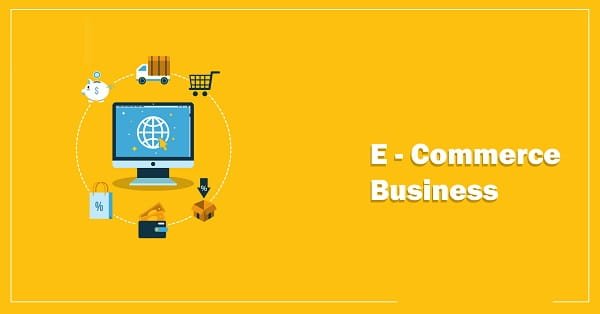
An e-commerce business involves buying and selling products or services through the internet using websites, mobile applications, online marketplaces, or social media platforms. Customers can browse products, place orders, make digital payments, and receive deliveries without visiting a physical store. E-commerce businesses may operate under various models, including Business-to-Consumer (B2C), Business-to-Business (B2B), Consumer-to-Consumer (C2C), and Direct-to-Consumer (D2C).
The rapid growth of internet access, smartphones, digital payment systems, and logistics networks has transformed e-commerce into one of the fastest-growing business sectors worldwide. Entrepreneurs can sell a wide range of products such as clothing, electronics, groceries, cosmetics, books, furniture, and digital services to customers across cities, states, and even countries. Compared to traditional retail stores, e-commerce offers greater flexibility, wider market reach, and lower operational costs.
However, operating an e-commerce business also involves challenges such as intense competition, cybersecurity risks, logistics management, and maintaining customer trust. Understanding both the advantages and disadvantages of an e-commerce business can help entrepreneurs make informed decisions before entering the online marketplace.
Advantages of an E-commerce Business
1. Global Market Reach
An e-commerce business can sell products to customers across different cities, states, and countries, significantly expanding its potential customer base beyond a local market.
2. Lower Operating Costs
Since an online business does not necessarily require a physical retail store, expenses related to rent, utilities, and showroom maintenance are generally lower than those of traditional retail businesses.
3. 24/7 Business Operations
Customers can browse products and place orders at any time of the day, allowing businesses to generate sales even outside regular working hours.
4. Convenient Shopping Experience
Online stores allow customers to compare products, read reviews, make secure payments, and receive home delivery, improving overall convenience and customer satisfaction.
5. Easy Business Scalability
As customer demand grows, businesses can expand their product range, enter new markets, and increase sales without opening multiple physical stores.
6. Data-Driven Decision Making
E-commerce platforms provide valuable insights into customer behavior, sales trends, inventory performance, and marketing effectiveness, enabling better business decisions.
7. Flexible Marketing Opportunities
Businesses can promote their products through search engines, social media, email campaigns, influencer marketing, and digital advertisements to reach targeted audiences.
8. Lower Geographic Limitations
Unlike traditional stores that serve nearby customers, e-commerce businesses can attract buyers from multiple regions, increasing revenue opportunities.
Disadvantages of an E-commerce Business
1. High Competition
The online marketplace is highly competitive, with numerous businesses selling similar products, making branding and customer acquisition more challenging.
2. Dependence on Technology
Website downtime, payment gateway failures, software issues, or internet connectivity problems can disrupt business operations and affect sales.
3. Cybersecurity Risks
E-commerce businesses must protect customer information, payment data, and business systems from cyberattacks, fraud, and data breaches.
4. Shipping and Logistics Challenges
Managing deliveries, shipping costs, damaged goods, and return requests requires efficient logistics and reliable delivery partners.
5. Limited Physical Product Experience
Customers cannot physically inspect, touch, or try products before purchasing, which may increase return rates and hesitation in buying.
6. Customer Trust Issues
New online businesses may find it difficult to build customer confidence without positive reviews, transparent policies, and consistent service quality.
7. Return and Refund Management
Handling product returns, exchanges, and refunds can increase operational costs and require efficient customer support systems.
8. Ongoing Digital Marketing Costs
Maintaining website traffic and attracting customers often requires continuous investment in search engine optimization (SEO), online advertising, and social media marketing.
Conclusion
An e-commerce business provides excellent opportunities to reach a broad customer base, reduce operational costs, and grow rapidly through digital channels. However, entrepreneurs must effectively manage competition, technology, logistics, cybersecurity, and customer service to build a sustainable and profitable online business.
Frequently Asked Questions (FAQs)
Q1. Is an e-commerce business profitable?
A: Yes. An e-commerce business can be highly profitable when it offers quality products, competitive pricing, effective digital marketing, and excellent customer service while efficiently managing operational costs.
Q2. Can an e-commerce business operate without a physical store?
A: Yes. Many successful e-commerce businesses operate entirely online using websites, mobile apps, online marketplaces, or social media platforms without maintaining a physical retail outlet.
Q3. What are the biggest challenges in running an e-commerce business?
A: Major challenges include intense competition, customer acquisition, cybersecurity, inventory management, shipping logistics, return handling, and maintaining customer trust.
Q4. Which products are suitable for an e-commerce business?
A: An e-commerce business can sell a wide variety of products, including clothing, electronics, books, beauty products, groceries, furniture, home décor, health products, handmade goods, and digital products, depending on market demand and business strategy.