







Hot wallets and cold wallets are two common ways of storing cryptocurrency, and the main difference is whether the wallet remains connected to the internet. Hot wallets are connected to the internet and are generally convenient for frequent transactions. Cold wallets keep private keys offline, reducing exposure to many online threats.
Neither option is completely risk-free. A hot wallet can be easier to use but may face greater exposure to hacking, phishing and malware. A cold wallet can provide stronger protection against remote attacks, but users must carefully protect the physical device, recovery phrase and PIN.

For long-term cryptocurrency holders, cold storage is generally considered safer for significant holdings, while hot wallets can be useful for smaller amounts that need regular access.
What Is a Hot Wallet?
A hot wallet is a cryptocurrency wallet that remains connected to the internet.
Hot wallets can come in several forms, including:
- Mobile wallet applications
- Desktop wallet software
- Browser extensions
- Web-based wallets
The wallet allows users to manage their private keys and interact with blockchain networks.
The biggest advantage is convenience. Users can quickly connect a wallet to decentralised applications, send cryptocurrency and receive payments without physically connecting a separate device.
However, being connected to the internet increases the potential attack surface.
If a user’s computer or smartphone contains malware, or if the user enters recovery information into a fraudulent website, their cryptocurrency may be at risk.
What Is a Cold Wallet?
A cold wallet stores private keys in an environment that is generally kept offline.
Hardware wallets are the most common example. They are physical devices designed to keep sensitive key information away from an internet-connected computer during normal storage.
Cold storage can significantly reduce exposure to remote cyberattacks because the private keys are not continuously accessible through an internet-connected environment.
However, “offline” does not mean “automatically safe.”
A user can still lose cryptocurrency by losing the device, revealing the recovery phrase, approving a malicious transaction or purchasing a compromised device.
Hot Wallets vs Cold Wallets: Key Differences
| Feature | Hot Wallet | Cold Wallet |
| Internet connection | Generally connected | Generally offline |
| Convenience | Very high | Moderate |
| Security against online attacks | Lower | Generally higher |
| Transaction speed | Convenient | Requires additional steps |
| Best suited for | Frequent transactions | Long-term storage |
| Physical device | Usually not required | Usually required for hardware wallets |
| Main risk | Hacking, malware, phishing | Loss, theft, recovery-phrase compromise |
| Cost | Often free | Hardware may cost money |
| Beginner convenience | High | Moderate |
Why Cold Wallets Are Generally Safer
The main security advantage of cold storage is isolation.
A cryptocurrency wallet does not actually store coins in the same way a physical wallet stores cash. The cryptocurrency remains recorded on the blockchain. The wallet primarily manages the private keys needed to authorise transactions.
Keeping those keys offline makes it more difficult for an attacker to access them remotely.
For example, if a user’s computer is infected with malware, an appropriately configured hardware wallet can prevent the private key itself from being exposed to that computer.
This is particularly useful for investors who intend to hold cryptocurrency for months or years without making frequent transactions.
Hot Wallets Are Better for Convenience
Hot wallets have a major advantage: accessibility.
Imagine someone frequently uses cryptocurrency for transactions or interacts with decentralised applications. Having to retrieve a hardware wallet and complete additional security steps for every transaction may become inconvenient.
A hot wallet can make these activities much faster.
This is why many experienced users use a combination of storage methods rather than choosing only one.
They may keep a smaller amount in a hot wallet for everyday transactions while keeping the majority of their long-term holdings in cold storage.
The Biggest Risk: Your Recovery Phrase
Whether someone uses a hot or cold wallet, protecting the recovery phrase is critical.
A recovery phrase, sometimes called a seed phrase, can allow someone to restore access to a cryptocurrency wallet.
If another person obtains the phrase, they may be able to gain control of the assets associated with that wallet.
Users should therefore:
- Never share the recovery phrase
- Never enter it into random websites
- Avoid storing it in screenshots
- Avoid sending it through messaging apps
- Keep physical backups in secure locations
- Be suspicious of anyone requesting the phrase
A hardware wallet cannot protect funds if the recovery phrase has already been exposed.
Phishing Is a Major Threat
One of the most common mistakes cryptocurrency users make is trusting fraudulent websites, messages or applications.
An attacker may create a website that looks almost identical to a legitimate wallet or cryptocurrency platform.
The user may then be asked to connect their wallet or enter their recovery phrase.
Once the information is provided, the attacker can potentially gain control of the assets.
This is why users should verify website addresses, avoid suspicious links and never provide their recovery phrase to customer-support accounts or strangers.
Cold Wallets Have Their Own Risks
Cold storage is safer against many remote attacks, but it introduces operational risks.
For example, a user could:
- Lose the hardware wallet
- Forget the PIN
- Lose the recovery phrase
- Damage the physical device
- Store the backup in an insecure location
- Approve a malicious transaction
The most important principle is that security depends on both technology and user behaviour.
A secure hardware wallet combined with poor recovery-phrase management can still result in permanent loss.
What About Cryptocurrency Exchanges?
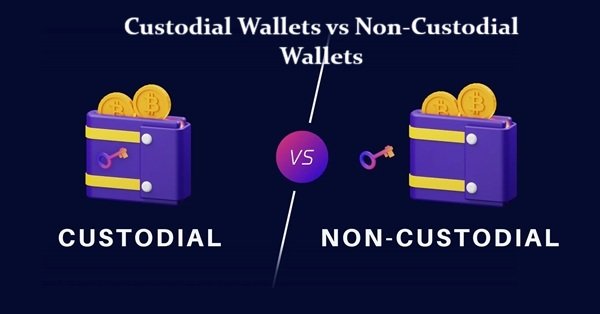
Cryptocurrency exchanges often provide custodial wallets.
In this arrangement, the exchange controls the private keys while the user receives an account through which they can manage their holdings.
This can be convenient because users do not have to manage private keys themselves.
However, it introduces counterparty risk. If an exchange experiences a security incident, operational problems or restrictions on withdrawals, users may not have immediate control over their assets.
This is why the distinction between custodial and non-custodial storage is important.
A personal non-custodial wallet gives the user control of the private keys, but it also places greater responsibility on the user.
Which Wallet Is Better for Long-Term Investors?
For someone holding a significant cryptocurrency investment for the long term, a properly managed cold wallet is generally the stronger security choice.
The lower exposure to online attacks can be particularly valuable when the assets are not being used regularly.
However, investors should purchase hardware wallets carefully and follow the manufacturer’s security procedures. Devices should preferably be obtained through trusted official channels rather than unknown sellers.
Users should also verify transaction details on the wallet’s trusted display before approving transactions.
Which Wallet Is Better for Beginners?
Beginners who are learning how cryptocurrency works may initially find a hot wallet easier.
It provides a simple way to understand sending, receiving and interacting with blockchain applications.
However, beginners should avoid keeping large amounts in a wallet simply because it is convenient.
A sensible approach is to learn wallet security with small amounts first and gradually develop better storage practices.
Can You Use Both?
Yes. In fact, using both can be a practical approach.
For example:
Hot wallet: Small amount for regular transactions and decentralised applications.
Cold wallet: Larger long-term holdings that do not need frequent access.
This approach combines convenience with stronger security.
The exact allocation depends on the user’s needs, risk tolerance and technical knowledge.
How to Keep Crypto Safer
Regardless of the wallet type, users should follow basic security practices:
- Use strong, unique passwords.
- Enable two-factor authentication where available.
- Keep wallet software and devices updated.
- Never share private keys or recovery phrases.
- Verify transaction addresses carefully.
- Avoid suspicious links and unsolicited messages.
- Keep recovery backups secure and offline.
- Test a small transaction before transferring a large amount.
- Use reputable wallet providers and exchanges.
- Never assume that a wallet is completely immune to attacks.
These precautions can significantly reduce avoidable security mistakes.
Conclusion
The hot wallets vs cold wallets debate ultimately comes down to convenience versus security.
Hot wallets are convenient, accessible and well suited to frequent transactions. However, their connection to internet-enabled devices creates greater exposure to phishing, malware and other online threats.
Cold wallets, particularly properly managed hardware wallets, provide stronger protection against many remote attacks by keeping private keys offline. This makes them generally more suitable for significant long-term cryptocurrency holdings.
However, cold wallets are not completely risk-free. Losing a recovery phrase, purchasing a compromised device or approving a malicious transaction can still result in permanent loss.
For many cryptocurrency users, the most practical strategy is to use a hot wallet for smaller, actively used amounts and cold storage for larger long-term holdings.
Ultimately, the safest wallet is not simply the wallet with the most advanced technology. It is the wallet whose security features the user understands and manages correctly. In cryptocurrency, protecting the private key and recovery phrase is ultimately one of the most important responsibilities an investor has.