







Crypto ETFs and direct cryptocurrency ownership provide exposure to digital assets in very different ways. A crypto exchange-traded product (ETP), often referred to as a crypto ETF in everyday usage, allows investors to gain exposure through a security traded on a stock exchange. Buying cryptocurrency directly means purchasing the digital asset itself through a crypto platform and holding it in a custodial or non-custodial wallet.
For beginners, an exchange-traded product can be simpler because it removes many technical responsibilities associated with cryptocurrency custody. Direct ownership, however, provides greater control and access to the underlying crypto asset.

The better option depends on whether an investor values simplicity and traditional investment infrastructure or direct ownership and control.
What Is a Crypto ETF?
A crypto ETF or ETP is an investment product designed to track the value of one or more cryptocurrencies.
The structure can differ. A spot Bitcoin ETP, for example, can hold Bitcoin directly, while a futures-based product obtains exposure through Bitcoin futures contracts rather than owning Bitcoin itself.
In the United States, the SEC approved the listing and trading of several spot Bitcoin ETPs in January 2024. These products trade on registered national securities exchanges, allowing investors to obtain Bitcoin exposure through a conventional securities-market structure.
The terminology matters because not every product marketed as a “crypto ETF” has identical underlying exposure.
What Does Buying Cryptocurrency Directly Mean?
When investors buy cryptocurrency directly, they purchase the actual digital asset.
For example, someone buying Bitcoin directly receives Bitcoin that can be held through a crypto exchange or transferred to a personal wallet.
Direct ownership gives the investor the ability to:
- Hold the cryptocurrency
- Transfer it to another wallet
- Use it with supported blockchain applications
- Potentially participate in certain blockchain activities
- Choose how the asset is stored
However, these advantages come with additional responsibilities.
The investor needs to understand wallets, private keys, recovery phrases, blockchain transactions and security practices.
Crypto ETF vs Direct Crypto: Key Differences
| Factor | Crypto ETF/ETP | Buying Cryptocurrency Directly |
| What you own | Security or fund/ETP share | Actual cryptocurrency |
| Wallet required | Usually no personal crypto wallet | Usually yes, directly or through an exchange |
| Private-key management | Generally handled by the product’s custodian | Investor or crypto platform |
| Trading | Through securities broker/exchange | Through crypto exchange/platform |
| Transfers to blockchain wallets | Generally not possible | Possible, subject to the asset/platform |
| Fees | Expense ratio + brokerage costs may apply | Trading, spread, network and withdrawal costs may apply |
| Simplicity | Generally higher | Requires more technical knowledge |
| Direct ownership | No | Yes |
| Traditional portfolio integration | Generally easier | Less traditional |
| Counterparty/custody structure | Depends on product | Depends on exchange or wallet |
| Availability in India | Depends on the specific product and access rules | Depends on applicable platform and regulations |
Why Crypto ETFs Can Be Simpler
The biggest advantage of a crypto ETF or ETP is familiarity.
An investor who already has a securities brokerage account can potentially buy and sell an exchange-traded product in much the same way as other listed securities, where the product is available to them.
There is generally no need to:
- Create a separate crypto wallet
- Memorise a recovery phrase
- Manage private keys
- Choose between hot and cold storage
- Pay blockchain network fees for ordinary purchases
- Learn how to transfer tokens between blockchain addresses
This can make the investment experience significantly easier for someone who wants price exposure rather than actual cryptocurrency ownership.
Direct Ownership Gives More Control
Direct cryptocurrency ownership has an important advantage: the investor controls the underlying asset.
A person holding Bitcoin directly can transfer it from one wallet to another, subject to network and platform conditions.
This is fundamentally different from owning shares of a Bitcoin ETP.
An ETP investor generally owns an interest in the investment product, not the Bitcoin itself. The product’s custodian and structure determine how the underlying cryptocurrency is held.
Therefore, someone interested in using cryptocurrency within the blockchain ecosystem may prefer direct ownership.
Custody Is a Major Difference
Crypto custody can be confusing for beginners.
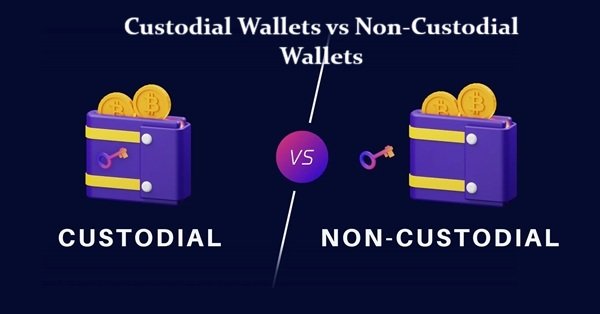
With direct ownership, cryptocurrency may remain on an exchange or be transferred to a personal wallet.
An exchange can provide convenience, but the investor depends on the platform to safeguard the assets. A non-custodial wallet provides greater direct control but also makes the investor responsible for private keys and recovery phrases.
With a crypto ETP, the investor normally does not have to manage these technical custody responsibilities personally. The product’s structure determines who holds and manages the underlying assets.
The SEC has specifically noted that approved Bitcoin ETPs provide disclosures about their arrangements, including custody, but approval of these products did not mean the SEC endorsed Bitcoin itself or every underlying arrangement.
Fees Can Make the Difference
Neither option is automatically cheaper.
A crypto ETP can have an expense ratio or management fee that is deducted from the product’s assets. Investors may also pay brokerage or exchange-related charges when buying or selling the shares.
Direct cryptocurrency ownership can involve:
- Trading fees
- Bid-ask spreads
- Withdrawal fees
- Blockchain network fees
- Currency-conversion costs
- Platform charges
For someone who makes frequent blockchain transfers, direct ownership may create additional costs.
For a long-term investor who simply wants price exposure, an ETP’s ongoing expense ratio may be the more relevant cost.
Investors should therefore compare the total cost of ownership, not just the transaction fee.
Liquidity and Trading Hours
Crypto ETPs trade according to the hours of the stock exchange where they are listed.
Direct cryptocurrency markets, by contrast, generally operate continuously, including weekends, depending on the trading platform.
This means direct crypto ownership provides greater flexibility for investors who want to trade or transfer assets at any time.
However, constant availability can also encourage overtrading.
An investor who is focused on long-term exposure may actually benefit from the more structured trading environment of a securities exchange.
What About Bitcoin Futures ETFs?
Not all crypto ETFs provide the same exposure.
A spot Bitcoin ETP is designed to track Bitcoin by holding the underlying asset, while a futures-based product obtains exposure through futures contracts.
Futures-based products can therefore behave differently from directly holding Bitcoin because futures contracts involve their own pricing and rolling considerations.
The SEC’s 2024 approval specifically involved spot Bitcoin ETPs, while Bitcoin futures-based exchange-traded products had already existed in the U.S. market.
Before investing, investors should read the product’s documents to understand whether it holds the cryptocurrency directly or uses derivatives.
Taxation in India
Taxation is particularly important for Indian investors because the treatment of direct cryptocurrency and a securities product may not necessarily be identical.
The Income Tax Department states that gains from Virtual Digital Assets (VDAs) are subject to a 30% tax under Section 115BBH, along with applicable surcharge and 4% cess. VDA income is reported transaction-wise through Schedule VDA in the relevant income-tax return.
However, investors should not automatically assume that every crypto-linked exchange-traded product will receive the same tax treatment as directly held cryptocurrency.
The tax treatment depends on the legal structure and jurisdiction of the product. Indian investors accessing overseas products should also consider applicable foreign-exchange, taxation and reporting requirements.
Professional tax advice may be appropriate for significant investments.
Availability in India Matters
This is an important point for Indian investors.
The existence of Bitcoin ETFs in another country does not automatically mean that an Indian resident can purchase them through an Indian brokerage account.
Investors should verify whether a particular crypto ETP is actually available to them and whether investing through an overseas platform complies with applicable Indian rules.
India’s regulatory environment for virtual digital assets is different from the regulatory framework governing conventional securities.
Therefore, investors should never assume that a product is permitted simply because it is listed on a foreign exchange.
Which Is Safer?
Neither option eliminates cryptocurrency-related investment risk.
If Bitcoin falls 30%, a spot Bitcoin ETP designed to track Bitcoin can also experience a substantial decline, although its exact performance can differ because of fees and tracking differences.
Direct Bitcoin ownership faces the same underlying market risk.
The major difference is operational risk.
Direct ownership introduces risks involving wallets, private keys, phishing, exchange accounts and transaction errors.
An ETP removes many of these responsibilities but introduces dependence on the product issuer, custodian, broker and financial-market infrastructure.
Who Should Consider Crypto ETFs?
A crypto ETF or ETP may be more suitable for investors who:
- Want cryptocurrency price exposure without managing wallets
- Already use a traditional brokerage account
- Prefer exchange-traded securities
- Do not need to transfer cryptocurrency
- Want easier portfolio tracking
- Prefer professional custody arrangements
The product’s specific fees, structure and regulatory status should still be checked before investing.
Who Should Buy Cryptocurrency Directly?
Direct ownership may suit investors who:
- Want actual cryptocurrency
- Need to transfer crypto between wallets
- Want to interact with blockchain applications
- Understand private-key security
- Are comfortable managing wallets
- Want greater control over their digital assets
However, direct ownership requires considerably more responsibility.
So, Which Is Simpler?
For most beginners who only want investment exposure to cryptocurrency, a suitable crypto ETF or ETP can be simpler than buying and storing cryptocurrency directly.
The investor does not need to learn wallet management, private keys or blockchain transfers.
But simplicity comes at the cost of direct control.
Buying cryptocurrency directly is more complicated, but it gives the investor greater flexibility and ownership of the underlying digital asset.
Therefore, the simplest option depends on the goal.
If the goal is “I want exposure to Bitcoin’s price,” an exchange-traded product may be easier.
If the goal is “I want to own and use Bitcoin,” direct ownership is necessary.
Conclusion
The comparison between crypto ETFs and buying cryptocurrency directly is largely a comparison between convenience and control.
Crypto ETFs or ETPs provide a familiar securities-market route to crypto exposure. Investors can buy and sell the product through a participating brokerage infrastructure without personally managing private keys or cryptocurrency wallets. The U.S. SEC approved several spot Bitcoin ETP listings in January 2024, creating a regulated exchange-traded route to Bitcoin exposure in the U.S. market.
Buying cryptocurrency directly provides something an ETF cannot: actual ownership and the ability to transfer the digital asset on its blockchain network. However, that ownership requires investors to understand custody, wallets, private keys and security.
For Indian investors, taxation and product availability are additional considerations. Direct VDA gains are currently subject to the special 30% tax regime under Section 115BBH, while a crypto-linked securities product may have different tax treatment depending on its structure.
Ultimately, crypto ETFs are generally simpler for investors seeking price exposure, while direct cryptocurrency ownership is better suited to those who want control and blockchain functionality.
The important point is to understand what you are actually buying. An ETF gives you exposure through a financial product; buying cryptocurrency gives you the digital asset itself. Once that distinction is clear, choosing between the two becomes much easier.