








A nursery plant business is legal in India. Individuals, partnerships, companies and other businesses can generally grow and sell ornamental plants, flowering plants, fruit plants, vegetable seedlings and other permitted planting material.
However, running a nursery is different from simply selling gardening products. Depending on the business model, the owner may need to comply with state horticulture or agriculture department requirements, local municipal rules, GST provisions, environmental requirements and regulations governing seeds and planting material.
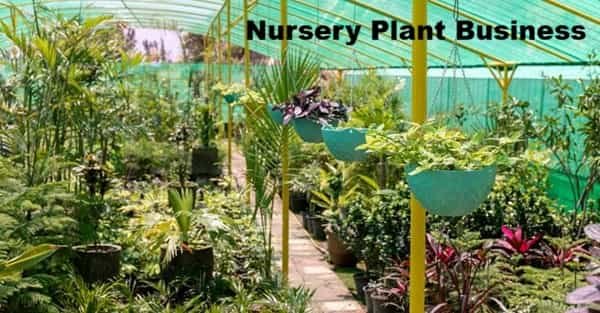
The National Horticulture Board (NHB) operates the National Nursery Portal, which provides registration and accreditation-related facilities for nurseries and helps buyers identify nurseries supplying planting material. The portal covers categories including fruits, vegetables, flowers and plantation crops.
Is Registration Mandatory for Every Plant Nursery?
There is no single nationwide rule under which every small retail plant nursery must obtain the same licence before selling ordinary plants.
The requirements can vary according to the state, type of nursery and planting material being produced or sold. Some states have their own systems for registering or licensing nurseries, particularly nurseries producing horticultural planting material for commercial cultivation.
The National Nursery Portal itself distinguishes between different types of nurseries, including accredited, licensed and other nurseries. Its registration criteria can include nursery area, production capacity, mother plants, irrigation, infrastructure, labelling and record keeping.
Therefore, a person planning to establish a commercial nursery should check the agriculture or horticulture department of the relevant state before beginning operations.
What About Selling Seeds?
A nursery that also sells seeds may face additional requirements.
Seed sales are regulated separately from the ordinary retail sale of plants. India’s existing seed regulatory framework includes requirements concerning the quality and sale of notified seeds, and states may regulate seed dealers through licensing or related procedures.
The Government introduced the Draft Seeds Bill, 2025, which proposes a more comprehensive framework covering seed producers, dealers and plant nurseries. However, the government described the 2025 measure as a draft Bill in the pre-legislative consultation stage, so it should not be treated as the current law merely because it has been proposed.
This distinction is important when researching nursery-business compliance: proposed legislation is different from legislation currently in force.
What About Fruit and Horticultural Plants?
Businesses producing fruit plants, grafted plants, vegetable seedlings and other commercial planting material may face more detailed quality and registration requirements than a small shop selling ornamental plants.
The National Nursery Portal encourages nurseries to maintain information concerning infrastructure, planting material, accreditation, certification and quality specifications. Its stated objective is to facilitate the availability of quality planting material to horticultural growers.
A nursery supplying farmers or commercial horticultural growers should therefore check whether its particular crop category is subject to state-level certification, licensing or accreditation requirements.
Can a Nursery Be Started From Home?
A small plant nursery can potentially be operated from private property, but the legality of the premises depends on local rules.
For example, a person using residential land for commercial activity may need to consider municipal regulations, zoning or land-use restrictions, property rules and local trade permissions. If the nursery occupies agricultural land, commercial land or leased premises, the applicable land-use conditions should also be checked.
Water use, construction of sheds or greenhouses, electrical connections and other infrastructure may create additional requirements depending on the scale and location of the operation.
Thus, owning plants does not automatically mean that every property can legally be converted into a commercial nursery.
What About GST?
GST requirements depend on the nature of the products sold, turnover and the applicable GST provisions.
A nursery should examine whether its sales consist of live plants, seeds, gardening products, pots, fertilisers, pesticides or other goods because different products can have different tax treatment.
If the business crosses the applicable registration threshold or falls within a compulsory-registration category, GST registration may be required. A nursery selling through online marketplaces should also separately examine the GST rules applicable to e-commerce transactions.
Because tax treatment can depend on the exact products and business structure, the owner should verify the applicable GST classification before starting commercial sales.
What If the Nursery Imports Plants?
Importing plants, planting material, seeds or other regulated plant products is more complicated than purchasing plants from a domestic supplier.
India operates a Plant Quarantine Management System through the Directorate of Plant Protection, Quarantine & Storage. Importers can use the system to apply for import permits and import release orders, while exporters can apply for phytosanitary certificates.
Plant imports are subject to quarantine requirements designed to prevent the introduction of pests, diseases and weeds. Certain plant materials can require import permits, phytosanitary documentation and additional conditions.
Therefore, a nursery should not import foreign plants or planting material without first checking the applicable quarantine requirements.
What About Protected or Regulated Plants?
Not every plant can automatically be collected, propagated or commercially traded.
Certain species may be subject to restrictions under environmental, forest, wildlife, biodiversity or other legislation. A nursery dealing with rare, protected or specially regulated species should verify the applicable rules before acquiring or selling them.
Businesses should also maintain reliable records showing the source of their planting material, particularly when dealing with commercially important or regulated varieties.
What Other Registrations May Be Needed?
Apart from agriculture or horticulture-related requirements, a nursery may need to consider:
- Shops and Establishments registration, where applicable
- Municipal or local trade permissions
- GST registration, where applicable
- Business PAN and income-tax compliance
- Land-use and zoning requirements
- Labour-related compliance for employees
- Water and electricity permissions, depending on the premises
- Fertiliser or pesticide-related licensing where those products are separately sold or handled
Not every nursery will require every registration. The requirements depend on the business model and location.
Final Takeaway
A nursery plant business is legal in India, but compliance depends on the type and scale of the nursery. A small retail nursery selling ordinary ornamental plants may have fewer regulatory requirements than a commercial nursery producing certified fruit plants, selling seeds, supplying farmers or importing planting material.
The National Nursery Portal provides a government-backed platform for nursery registration, accreditation and buyer access, while state agriculture and horticulture departments may impose additional requirements.
Before starting, the business owner should verify state nursery requirements, local business permissions, GST obligations and any seed, plant-quarantine or species-specific regulations applicable to the products being sold.
In short, opening a plant nursery is a lawful business opportunity in India, but operating it in compliance with the rules is essential, particularly when the business produces commercial planting material, sells regulated agricultural inputs or imports plants from outside India.