








Starting a business from the beginning can be difficult. A new owner must create a brand, develop products, attract customers, design operating systems and earn public trust. A franchise business offers another path. It allows an entrepreneur to operate under an established brand and follow a business system that has already been tested.
Restaurants, hotels, retail stores, education centres, gyms and service companies often use the franchise model to expand into new locations. The local outlet may be owned by an independent person, but it operates according to the standards, products and identity of the main company.
For entrepreneurs, franchising can reduce some of the uncertainty involved in starting a new business. However, it also requires investment, regular fees and strict compliance with the franchisor’s rules.
What Is a Franchise Business Model?
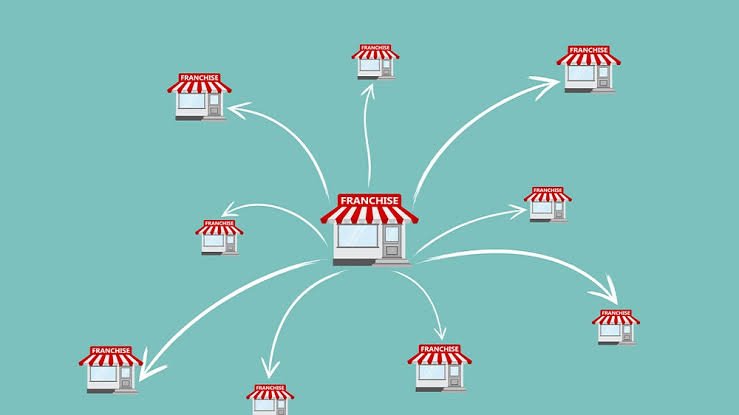
A franchise business model is an arrangement in which the owner of an established business allows another person or company to use its brand name, products, operating system and business methods.
The original business is known as the franchisor, while the person or company purchasing the right to operate under the brand is called the franchisee.
The franchisee usually pays an initial franchise fee to join the network. In addition, the franchisee may pay regular royalties, advertising contributions or a percentage of sales to the franchisor.
In return, the franchisor provides support such as training, brand recognition, operating guidelines, product supply, marketing assistance and business advice.
For example, an entrepreneur may open a restaurant under a well-known food brand. The entrepreneur owns and manages the local outlet, but the menu, store design, service standards and branding are controlled by the franchisor.
How Does the Franchise Business Model Work?
The franchise process usually begins when a successful company decides to expand without directly owning every new branch. It creates a franchise system containing rules, training programmes, contracts and operating procedures.
An interested entrepreneur applies to become a franchisee. The franchisor reviews the applicant’s financial position, experience, proposed location and ability to manage the business.
If approved, both parties sign a franchise agreement. This legal agreement explains the franchise term, fees, territory, responsibilities, operating rules and conditions for renewal or termination.
The franchisee then pays the required fees and invests in the location, equipment, employees, licences and initial stock. The franchisor may help with site selection, store layout, staff training and business launch.
After opening, the franchisee handles daily operations. However, the outlet must follow the franchisor’s standards. The franchisor may conduct inspections, provide marketing material and introduce new products or policies.
Main Types of Franchise Businesses
1. Product Distribution Franchise
In this model, the franchisee sells products manufactured or supplied by the franchisor.
The relationship is mainly based on the use of the brand and distribution of products. Automobile dealerships, fuel stations and beverage distributors may follow this structure.
2. Business Format Franchise
This is the most common type of franchise. The franchisee receives access to the complete business system, including branding, products, training, marketing and operating procedures.
Restaurants, retail shops, hotels, fitness centres and education businesses commonly use this model.
3. Manufacturing Franchise
In a manufacturing franchise, the franchisee receives permission to manufacture and sell products using the franchisor’s brand and formula.
This model is often seen in food, beverage and industrial product businesses.
4. Service Franchise
A service franchise allows franchisees to offer services under an established brand.
Examples may include cleaning services, repair businesses, beauty salons, travel agencies, tutoring centres and property maintenance companies.
5. Master Franchise
A master franchisee receives the right to develop the brand within a large territory, such as a state, region or country.
The master franchisee may open its own outlets and also appoint other franchisees within the assigned territory.
Examples of the Franchise Business Model
Fast-food restaurants are among the most familiar examples of franchising. A local business owner may operate a restaurant using the brand name, menu, recipes and service system of an established company.
Hotels also commonly use franchise arrangements. A hotel owner may use the name and reservation system of an international hotel brand while managing the property independently.
Other examples include:
- A bakery operating under a national food brand
- A fitness centre using an established gym name
- A preschool following the curriculum and branding of an education company
- A salon providing services under a recognised beauty brand
- A courier outlet operating within a larger delivery network
- A retail shop selling products under an established company name
- A vehicle dealership selling a manufacturer’s automobiles
- A cleaning company using a proven service system
- A pharmacy operating under a well-known retail chain
- A training centre offering courses from an education brand
These examples show that franchising is not limited to restaurants. It can be used in many industries where a business system can be repeated across different locations.
Advantages of the Franchise Business Model
1. Established Brand Recognition
One of the biggest advantages of buying a franchise is access to an existing brand.
Customers may already know the company and trust its products. This can make it easier for a new outlet to attract buyers compared with an unknown independent business.
2. Proven Business System
Franchisees receive a business model that has already been tested.
The franchisor usually provides guidelines for pricing, customer service, staffing, stock control, marketing and daily operations. This reduces the need to create every process from the beginning.
3. Training and Support
Many franchisors provide training before the business opens. Training may cover product knowledge, employee management, technology, customer service and financial control.
Ongoing support may also be available when the franchisee faces operational problems.
4. Marketing Assistance
Franchise networks often conduct national or regional advertising campaigns.
The franchisee benefits from professional marketing, brand promotions and ready-made advertising material without creating everything independently.
5. Easier Access to Suppliers
Franchisors may have established relationships with approved suppliers. Franchisees can obtain products, equipment and materials at negotiated prices.
Bulk purchasing across the franchise network may also reduce costs.
6. Lower Business Risk
A franchise does not remove all business risk, but it may be less uncertain than launching a completely new brand.
The franchisee can study the performance of existing outlets before investing.
7. Financing Opportunities
Banks and lenders may be more willing to finance a business connected to a recognised franchise system.
A proven brand and operating history may make the proposal appear more reliable.
8. Faster Business Launch
The franchisor usually provides store designs, equipment lists, operating manuals and launch plans.
This can help the franchisee open the business faster than an entrepreneur developing a new concept independently.
Disadvantages of the Franchise Business Model
1. High Initial Investment
Buying a franchise can require a large amount of money. The franchisee may need to pay the franchise fee, property costs, equipment expenses, licences, stock and employee salaries.
Well-known brands may require especially high investment.
2. Ongoing Royalties
Franchisees usually pay regular royalties to the franchisor. These may be calculated as a percentage of revenue or as a fixed fee.
The payment may still be required even when the local outlet earns a low profit.
3. Limited Independence
A franchisee cannot always make decisions freely.
The franchisor may control products, pricing, store design, uniforms, suppliers, advertising and operating hours. This can be frustrating for entrepreneurs who want complete control.
4. Strict Operating Rules
Franchisees must follow the standards described in the franchise agreement.
Failure to maintain quality, cleanliness, service or branding may lead to warnings, penalties or termination of the agreement.
5. Reputation Risk
The actions of one outlet can affect the entire franchise network.
If another franchisee provides poor service or the parent company faces negative publicity, customers may lose trust in all locations, including those managed properly.
6. Limited Choice of Suppliers
The franchisee may be required to purchase products only from approved suppliers.
Even when cheaper alternatives are available, the franchisee may not be allowed to use them.
7. Contract Restrictions
Franchise agreements may contain restrictions related to location, competition, renewal and resale.
A franchisee may not be allowed to operate a similar business after leaving the franchise system for a particular period.
8. Profit Sharing
Although the franchisee owns the local business, part of the revenue may go to the franchisor through royalties, advertising fees and other charges.
This can reduce the franchisee’s overall profit.
9. Risk of Franchisor Failure
The franchisee depends heavily on the strength of the parent brand.
If the franchisor experiences financial problems, weak management or declining popularity, individual franchise outlets may also suffer.
Franchise vs Independent Business
A franchise operates under an established brand and follows a fixed system. An independent business creates its own brand, products, rules and marketing strategy.
A franchise offers greater support and recognition, but the owner has less freedom. An independent business provides complete control, but the entrepreneur must develop everything without the support of a larger network.
The better choice depends on the owner’s budget, experience, risk tolerance and desire for independence.
Is a Franchise Business Profitable?
A franchise can be profitable when the brand is strong, the location is suitable and the business is managed efficiently.
However, the success of one franchise outlet does not guarantee the success of another. Rent, competition, staff costs, local demand, royalties and management quality all influence profitability.
Before investing, an entrepreneur should study the total cost, expected revenue, agreement conditions and performance of existing franchisees. It is also important to understand how long it may take to recover the initial investment.
Conclusion
The franchise business model allows an entrepreneur to operate under an established brand and use a proven business system. The franchisor provides the name, procedures, training and support, while the franchisee invests money and manages the local outlet.
Its main advantages include brand recognition, lower uncertainty, training, marketing support and easier access to suppliers. Its disadvantages include high fees, limited independence, strict rules and dependence on the franchisor’s reputation.
A franchise can be a suitable option for entrepreneurs who want the support of an established company and are comfortable following a structured system. Careful research, financial planning and a clear understanding of the franchise agreement are essential before making the investment.