








Many people hesitate to pay for a digital product before they know whether it will be useful. The freemium business model solves this problem by allowing users to access a basic version for free while charging for advanced features, extra capacity or a better experience.
This model is widely used by software companies, mobile applications, online learning platforms, music services, productivity tools and cloud-storage providers. Users can begin without making a payment, explore the product and later upgrade when their needs grow.
For businesses, freemium can attract a large audience quickly. However, success depends on converting enough free users into paying customers. If too many people use the free version without upgrading, the company may face high operating costs and low revenue.
What Is a Freemium Business Model?
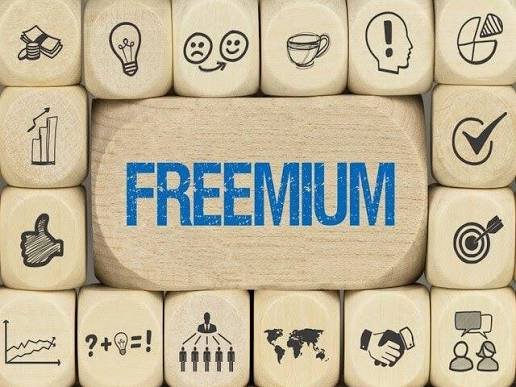
The freemium business model is a pricing strategy in which a company provides a basic version of its product or service free of charge but requires payment for premium features.
The word “freemium” is created by combining the words free and premium.
The free version is designed to give users real value. It allows them to understand how the product works and decide whether it meets their needs. The premium version usually offers additional features, greater limits, improved support, an advertisement-free experience or access to professional tools.
For example, a cloud-storage platform may provide a limited amount of storage for free. Users who need more space must purchase a paid plan.
Similarly, a music application may allow free listening with advertisements, while premium subscribers receive advertisement-free music, offline downloads and better control over playback.
How Does the Freemium Business Model Work?
A company first develops a product that can be divided into free and paid levels. The free level must be useful enough to attract users, but it should also have reasonable limits that encourage serious users to upgrade.
People create an account and begin using the free version without making a payment. As they become familiar with the product, they may need additional functions or greater usage limits.
The company then promotes premium plans through upgrade notifications, feature comparisons, usage alerts and personalised offers.
A user may upgrade for several reasons, such as:
- Reaching a storage or usage limit
- Needing advanced professional features
- Wanting to remove advertisements
- Requiring faster customer support
- Adding more team members
- Accessing premium content
- Needing better security or reporting tools
The majority of users may continue with the free version. Revenue comes from the smaller group that purchases monthly or annual subscriptions, additional services or paid upgrades.
Common Types of Freemium Models
1. Feature-Limited Freemium
In this model, free users can access the main product, but advanced features are available only to paying customers.
For example, a design platform may allow basic templates and editing tools for free while charging for premium images, brand-management tools and advanced export options.
2. Usage-Limited Freemium
Users receive access to all or most features, but only up to a certain limit.
A service may restrict the number of projects, emails, downloads, transactions or files available under the free plan.
Once users reach the limit, they must upgrade.
3. Storage-Limited Freemium
Cloud-based platforms often give users a small amount of free storage.
People who need additional storage for photographs, documents or business files purchase a paid plan.
4. Advertisement-Supported Freemium
The free version earns revenue through advertisements. Users can pay to remove advertisements and receive a smoother experience.
This model is common in music, gaming, video and mobile applications.
5. Customer-Support Freemium
Free users receive basic help through articles, forums or email, while paying customers receive faster or more personalised support.
Business users may upgrade because quick assistance is important for their operations.
6. Time or Activity-Limited Freemium
A platform may limit how often a free user can perform a particular action.
For example, free users may be allowed to generate only a few reports or send a limited number of messages each month.
Examples of the Freemium Business Model
A cloud-storage company offering a small amount of free storage and charging for larger plans is a common freemium example.
A music-streaming platform may allow people to listen for free with advertisements. Paid subscribers may receive offline listening, higher sound quality and an advertisement-free experience.
A project-management tool may let individuals manage a limited number of projects for free. Businesses that need advanced reporting, automation and team controls must subscribe to a premium plan.
Other examples include:
- A language-learning application offering basic lessons for free
- A graphic-design platform charging for premium templates and tools
- A mobile game selling extra levels, virtual items or special abilities
- A video-meeting platform limiting the length of free group meetings
- An email marketing service restricting the number of contacts or messages
- A password manager offering basic storage but charging for family or business features
- A writing tool providing basic checks for free and advanced suggestions to paid users
- A professional networking platform offering premium search and messaging tools
- A website builder charging for custom domains and advanced business features
These examples show that freemium is especially suitable for digital products that can serve additional users at a relatively low cost.
Advantages of the Freemium Business Model
1. Attracts a Large Number of Users
The word “free” reduces the risk for new users. People can try the product without entering payment details or making a financial commitment.
This can help a company build a large user base quickly.
2. Low Customer Acquisition Barrier
It is easier to convince someone to try a free product than to purchase an unfamiliar one.
The free plan works as an entry point and allows the product to demonstrate its value directly.
3. Builds Trust in the Product
Users can examine the product before paying. They can test its quality, features and usefulness in real situations.
This experience can make them more confident about upgrading.
4. Creates Recurring Revenue
Most freemium companies charge for monthly or annual premium subscriptions.
Recurring payments can provide predictable revenue and make financial planning easier.
5. Supports Word-of-Mouth Marketing
Satisfied free users may recommend the product to friends, family members or colleagues.
A large free user base can therefore help the company grow without depending entirely on paid advertising.
6. Provides Valuable User Data
The company can study how people use the free version.
It can identify popular features, common problems and the points at which users are most likely to upgrade. This information helps improve the product and pricing strategy.
7. Makes Product Expansion Easier
A free user may later become a paying customer as personal or business needs increase.
For example, a person may start with a free individual account and later purchase a team plan after starting a business.
8. Creates a Competitive Advantage
A useful free plan can attract users away from competitors that require immediate payment.
Once users store data, learn the system or include the product in their routine, they may be less likely to switch.
Disadvantages of the Freemium Business Model
1. Low Conversion Rate
Only a small percentage of free users may become paying customers.
If the company fails to provide strong reasons to upgrade, revenue may remain low even when the platform has millions of users.
2. High Cost of Supporting Free Users
Free users still require servers, data storage, security, product updates and customer support.
A large unpaid user base can create significant operating expenses.
3. Difficulty Balancing Free and Paid Features
The free version must be useful enough to attract users but limited enough to encourage upgrades.
If it is too generous, users may never pay. If it is too restricted, they may stop using the product completely.
4. Free Users May Have Low Commitment
Some users create accounts because the service is free but rarely use the product.
These inactive users increase registration numbers without contributing to revenue or meaningful growth.
5. Risk of User Frustration
Frequent upgrade messages, advertisements and feature restrictions can irritate users.
They may feel that the company is deliberately making the free experience inconvenient.
6. Long Path to Profitability
A freemium company may need to support a large number of users before earning enough premium revenue.
It can take years to develop the product, improve conversion rates and recover operating costs.
7. Premium Users May Carry the Cost
Paying customers indirectly cover the expenses created by free users.
The company may need to charge higher subscription prices to maintain both groups.
8. Product Value May Be Perceived as Low
Some people may assume that a product offered for free is less reliable or professional.
This perception can make it harder to sell premium plans to business customers.
Freemium vs Free Trial
Freemium and free trial models are not the same.
In a freemium model, the basic version remains free for an unlimited period. Users pay only when they want additional features or higher limits.
In a free trial model, users receive temporary access to a paid product. The trial may last seven, fourteen or thirty days. After the trial ends, the user must pay or lose access.
Freemium helps companies attract a larger audience, while free trials often create a stronger reason to make a quick buying decision.
When Is the Freemium Model Most Suitable?
The freemium model works best when the product is digital, easy to distribute and inexpensive to provide to additional users.
It is also useful when people need time to understand the product’s value before paying.
The model may be suitable for:
- Mobile applications
- Software-as-a-service platforms
- Online learning tools
- Cloud-storage services
- Digital entertainment platforms
- Productivity applications
- Communication tools
- Online games
It may be less suitable for businesses with high production, delivery or customer-service costs for every free user.
Is the Freemium Business Model Profitable?
The freemium model can be profitable when a company attracts a large number of active users and converts a reasonable percentage into paying customers.
Profitability depends on subscription pricing, operating costs, user engagement and the value of premium features.
A successful company must understand why users upgrade and continue improving the paid experience. It must also control the cost of serving free users.
The goal is not simply to collect a large number of free accounts. The business must create a clear and natural path from free use to paid membership.
Conclusion
The freemium business model allows users to access a basic product free of charge while paying for advanced features, greater limits or an improved experience.
Its major advantages include rapid user growth, low entry barriers, product trust, recurring revenue and word-of-mouth promotion. Its disadvantages include low conversion rates, high free-user costs, difficult feature balancing and a potentially long path to profitability.
When designed carefully, freemium can help a digital company build a large audience and turn loyal users into long-term customers. Its success depends on offering genuine value for free while giving users strong, practical reasons to purchase the premium version.